The Complete Guide to Ecommerce Product Photography in 2026
Introduction
At its core, product photography is about inviting your customer into your brand community and educating them on what makes your product great. From highlighting key features to seeing your product in use, ecommerce product photography engages with your customer at the bottom of the funnel and ultimately drives the final step of conversion. More than that, good product photos become part of your brand’s story and build a foundation of trust with your customer.
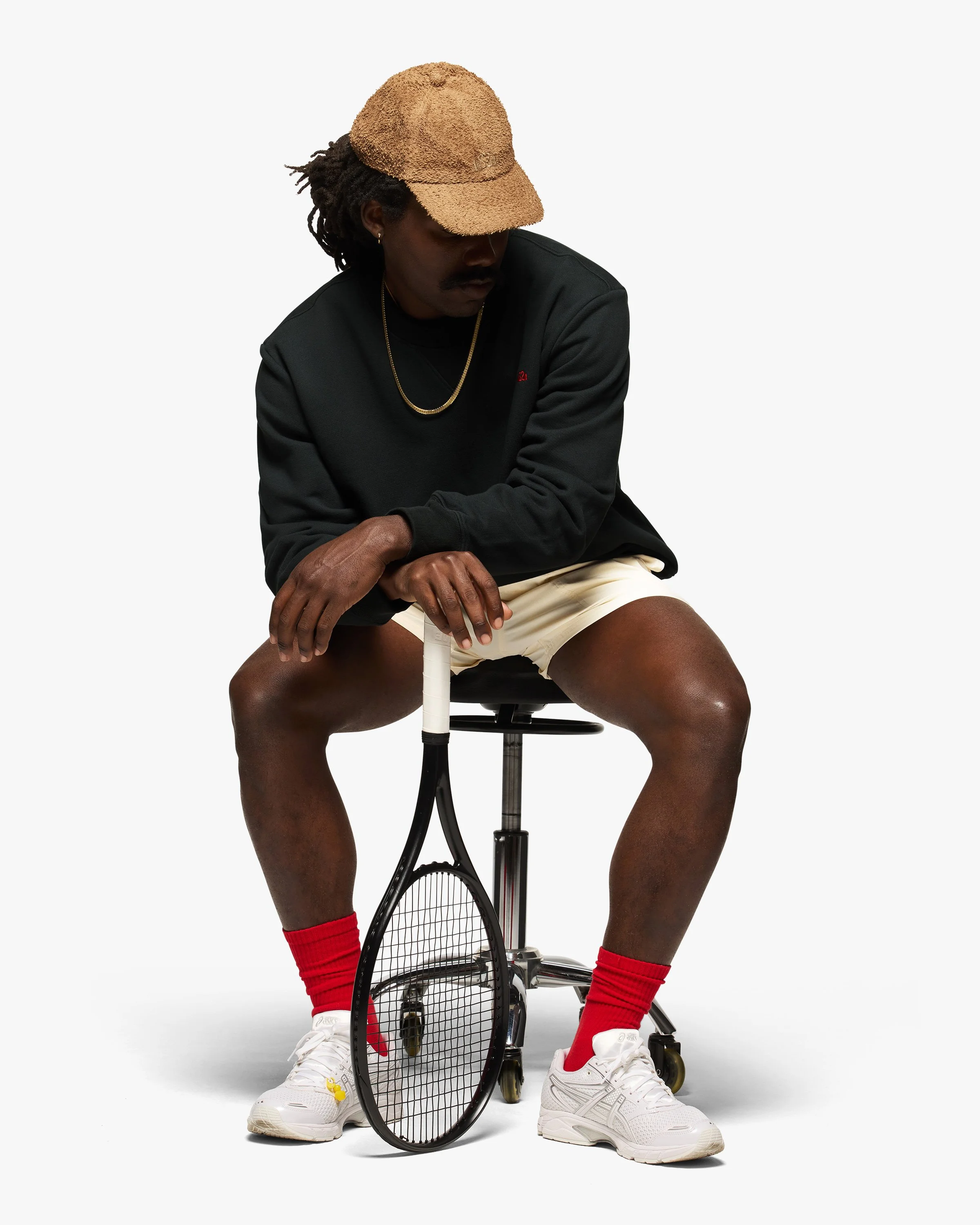
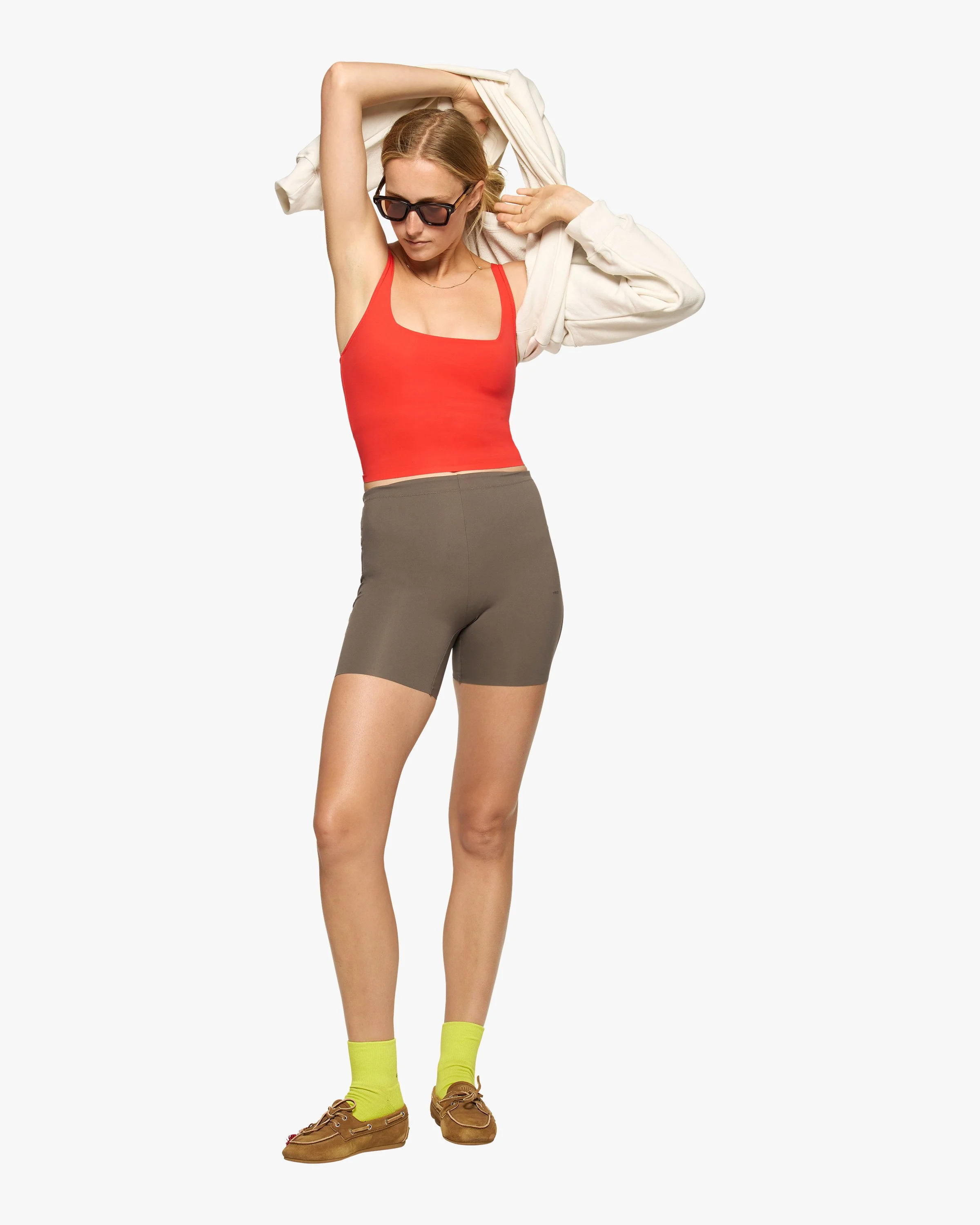
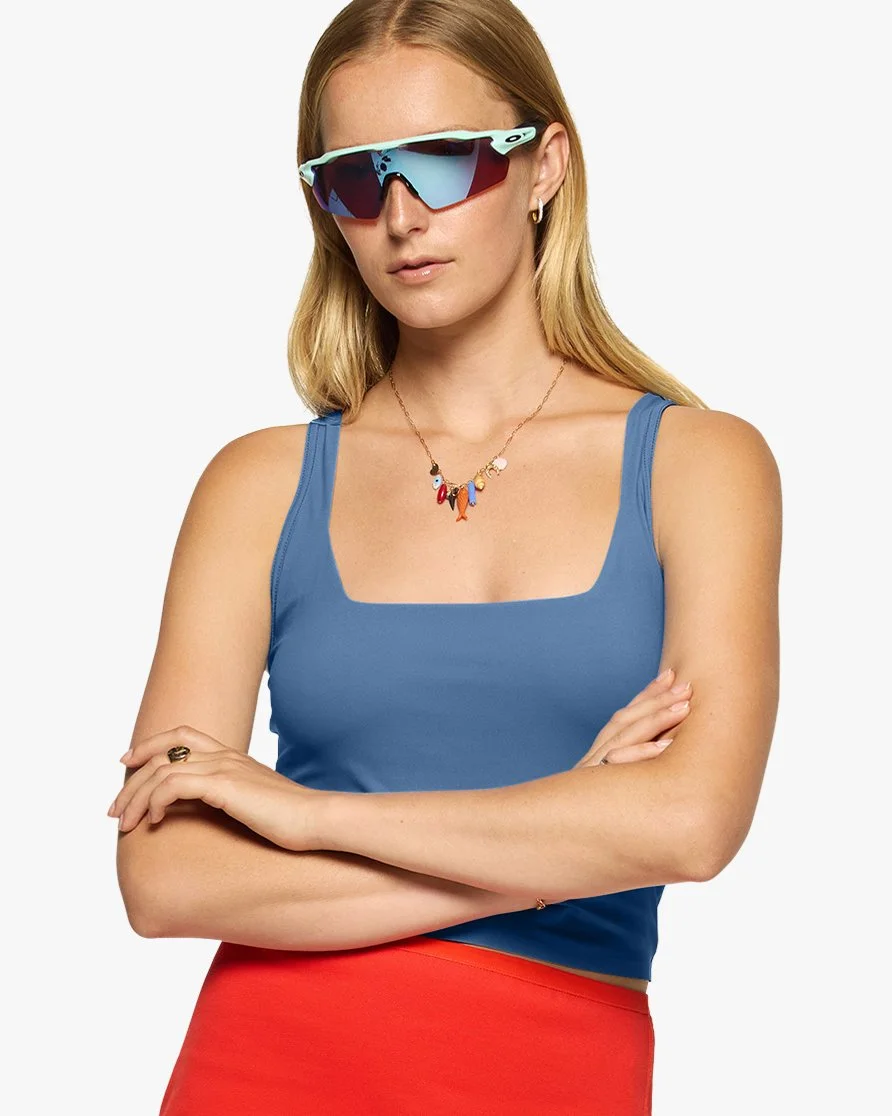
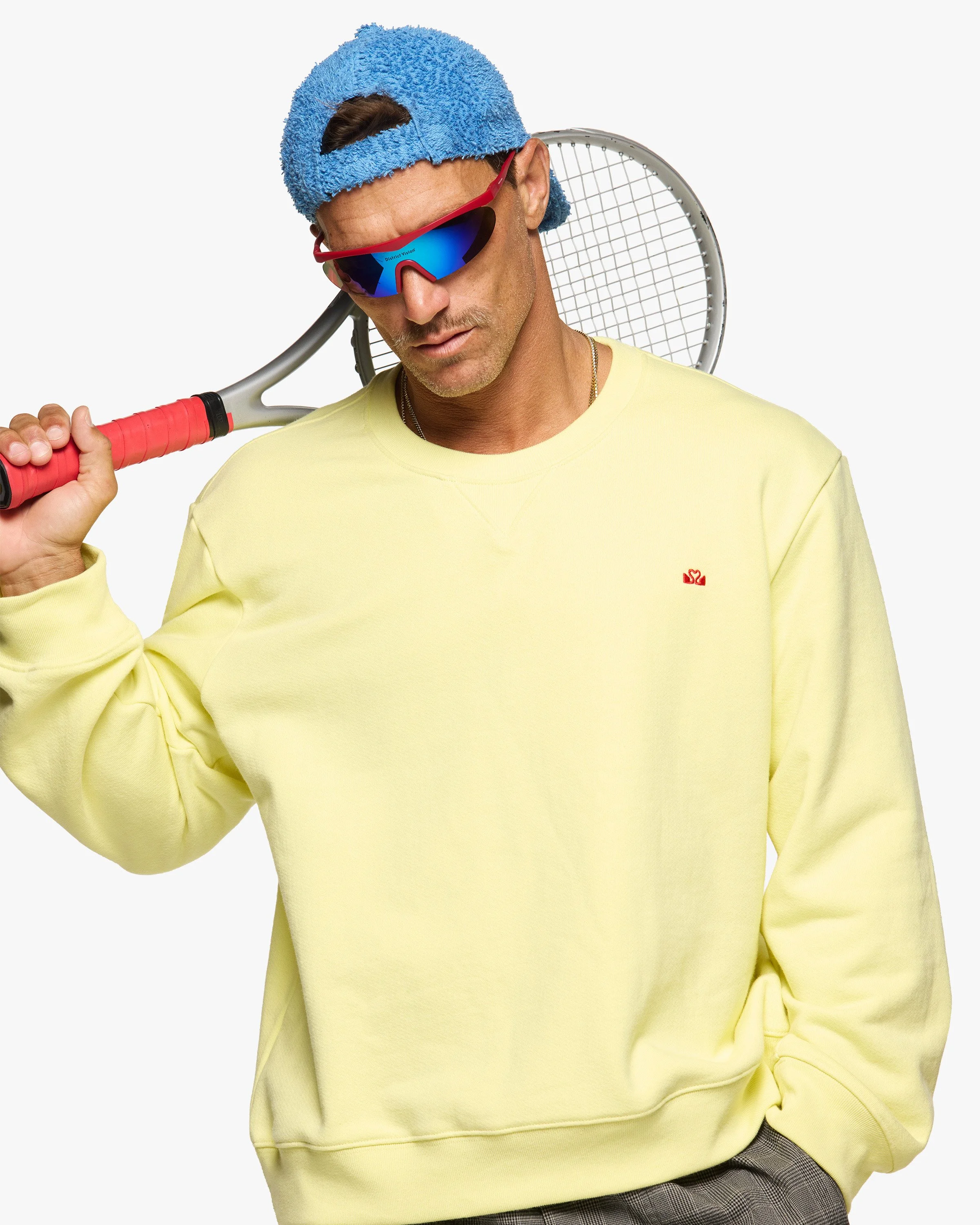
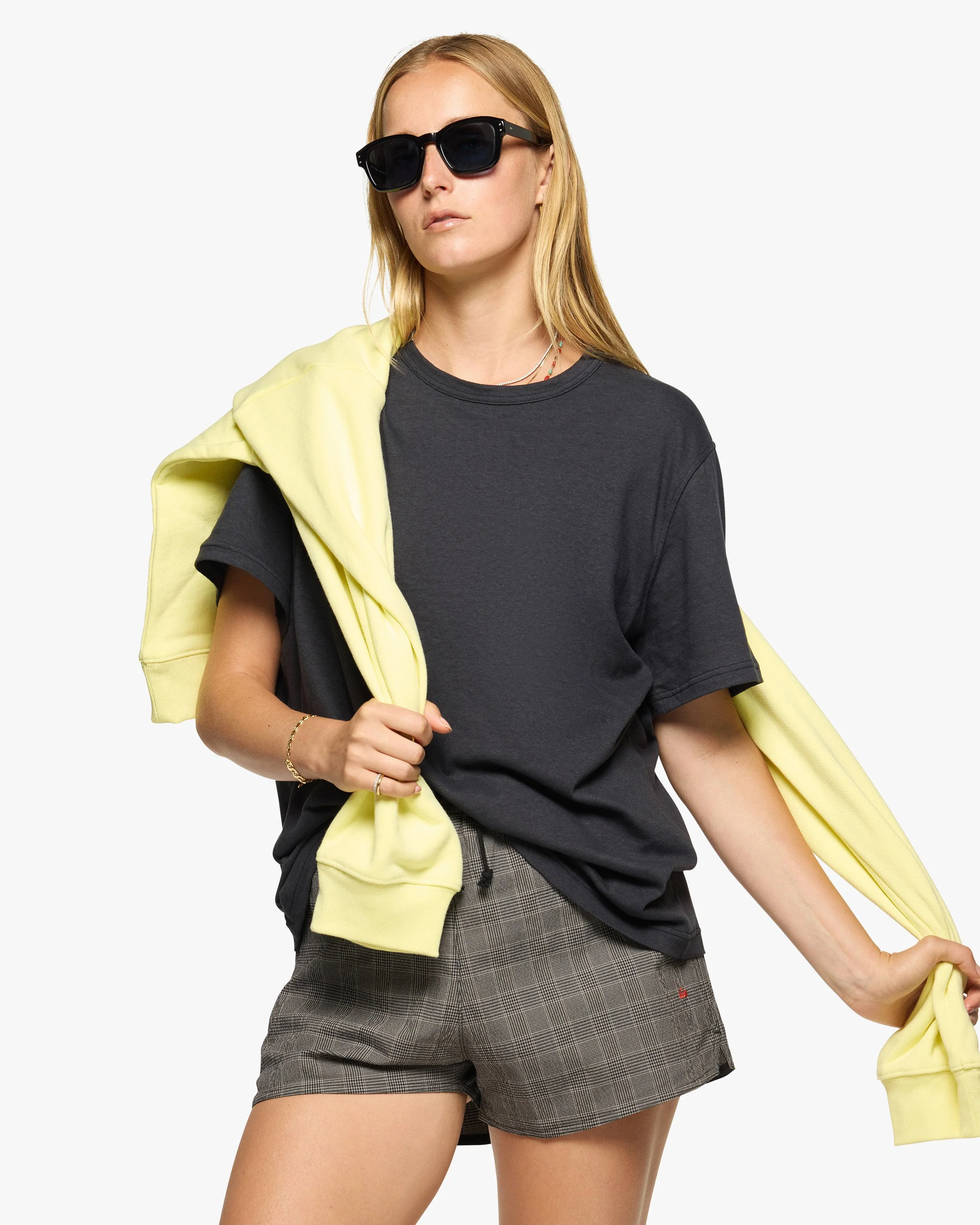
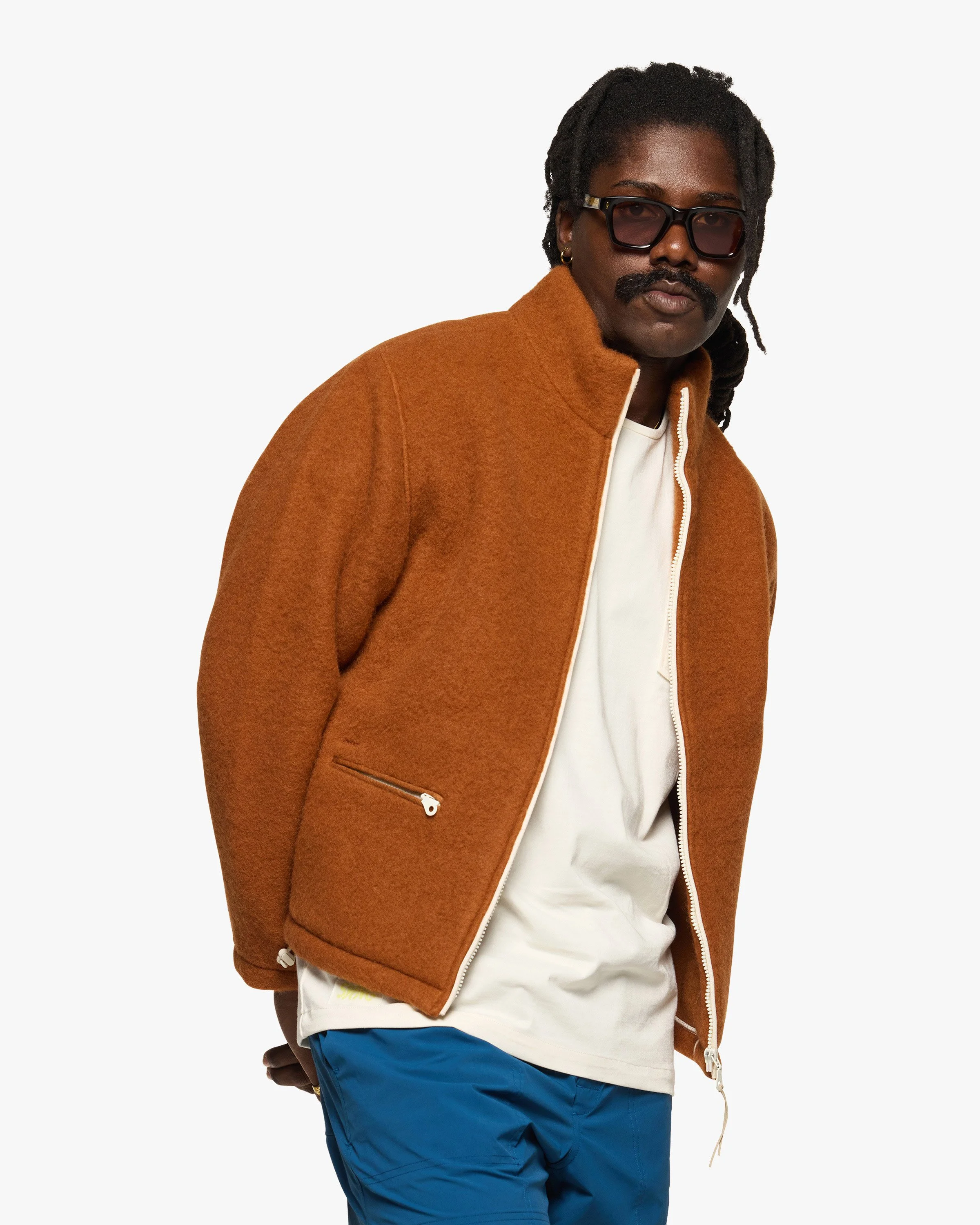
With customer loyalty at a premium and customers constantly assessing if a brand meets their expectations, brands cannot afford to lose a customer’s trust with low-quality product photography. Poor images can result in lost sales, high returns, and ultimately, lost customers. Hyperblack has worked with hundreds of diverse ecommerce businesses and produces 5,000+ assets monthly. With a focus on creating high-quality, on-brand product photography, we believe impactful product photography goes beyond basic—it brings your product to life in the digital world.
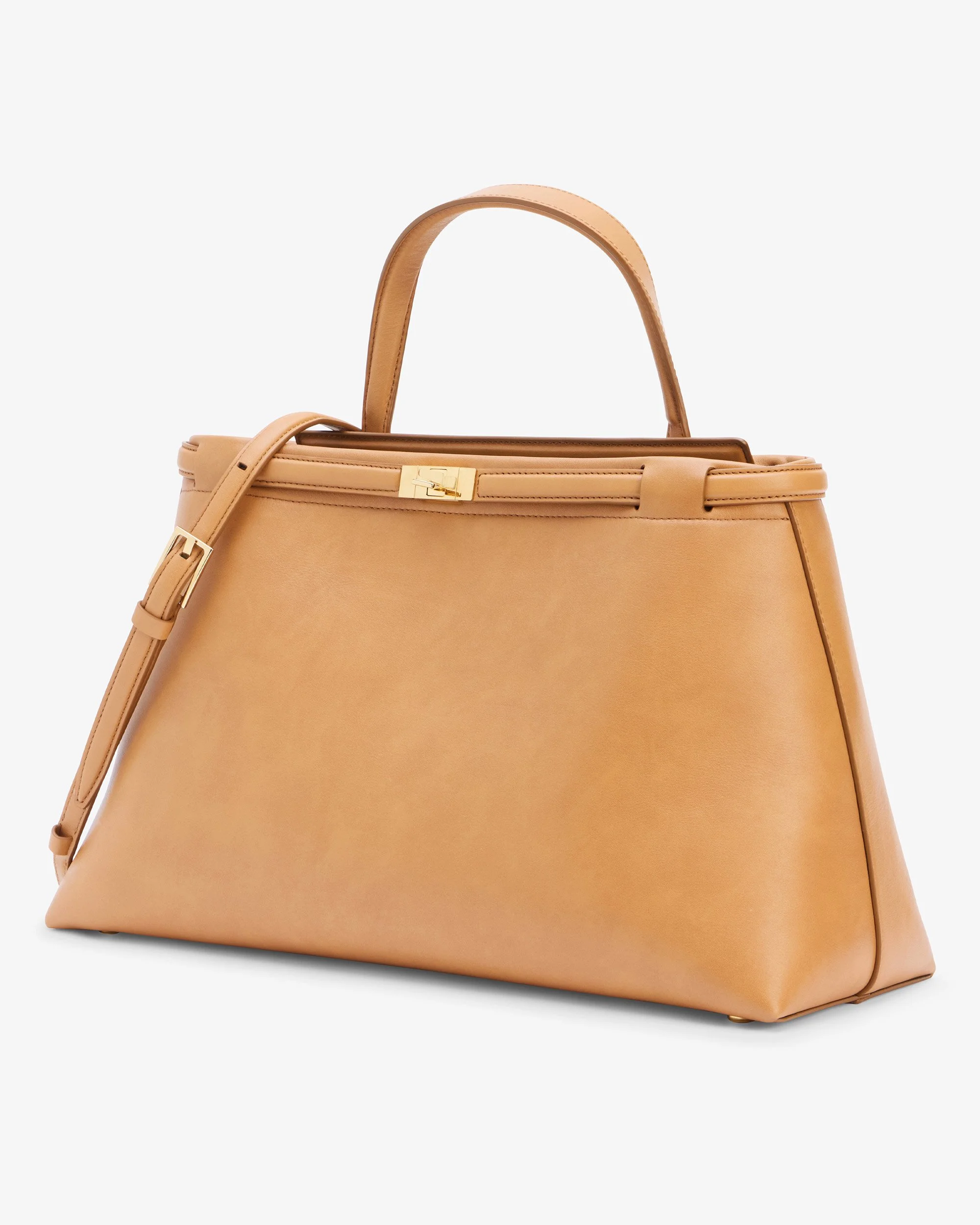
In this guide, you’ll learn:
What is product photography?
Why product photography should be a priority for your online store
Different types of product photography for ecommerce
What to expect when working with a professional product photography studio
How to plan and run a product photoshoot
Post-processing in product photography
Common mistakes to avoid in product photography
Trends to watch in 2026
What is Ecommerce Product Photography?
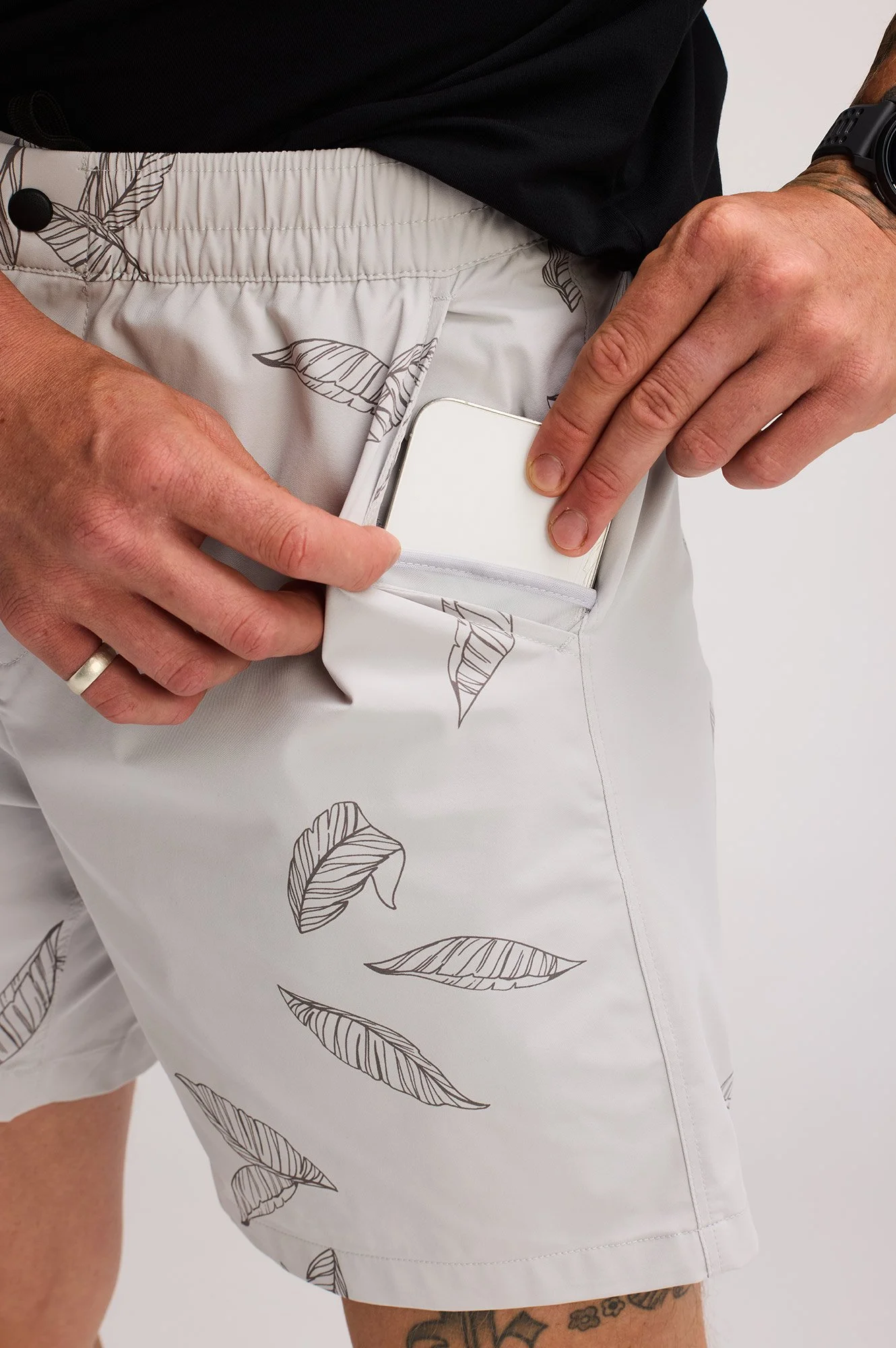
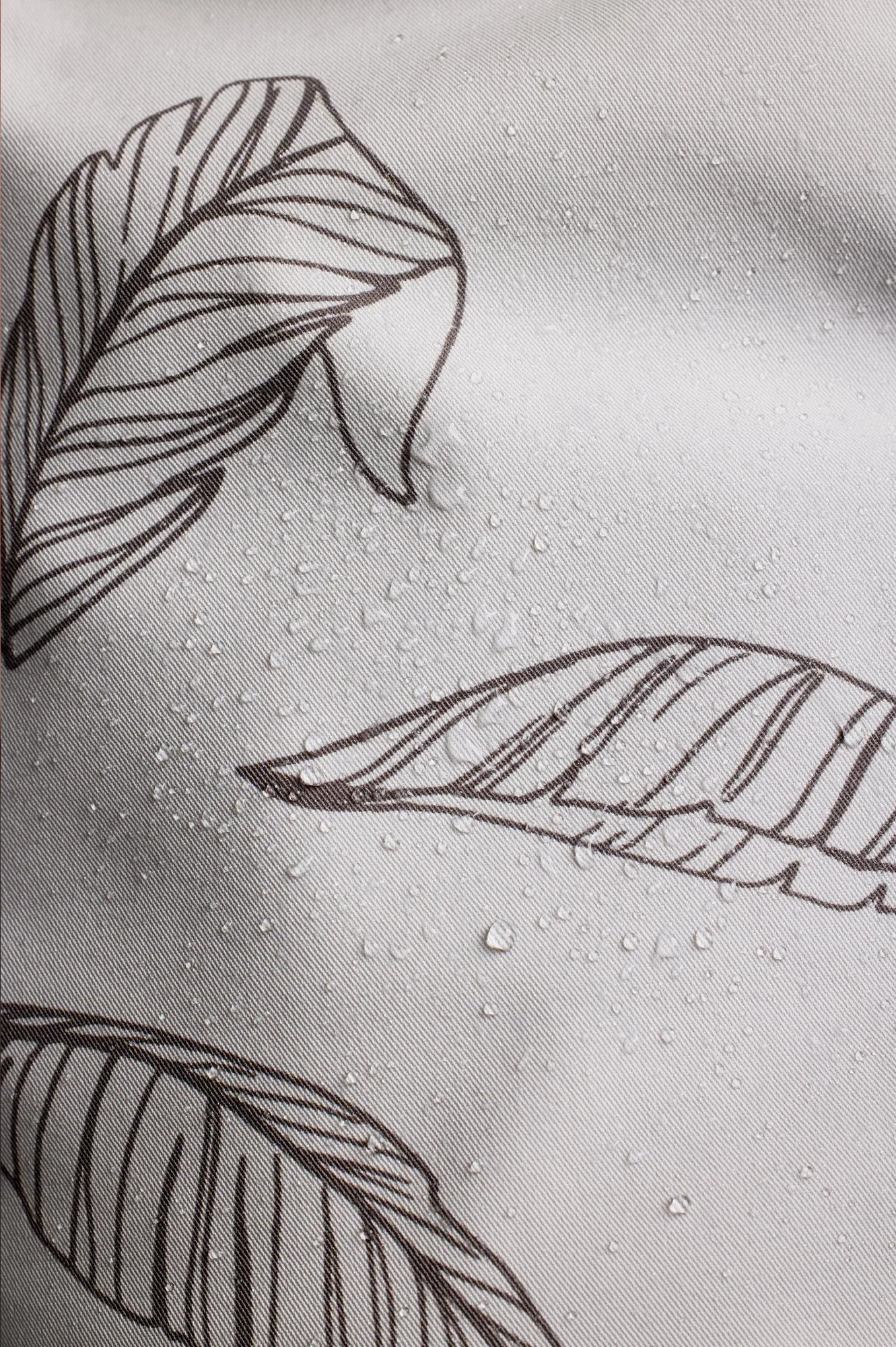
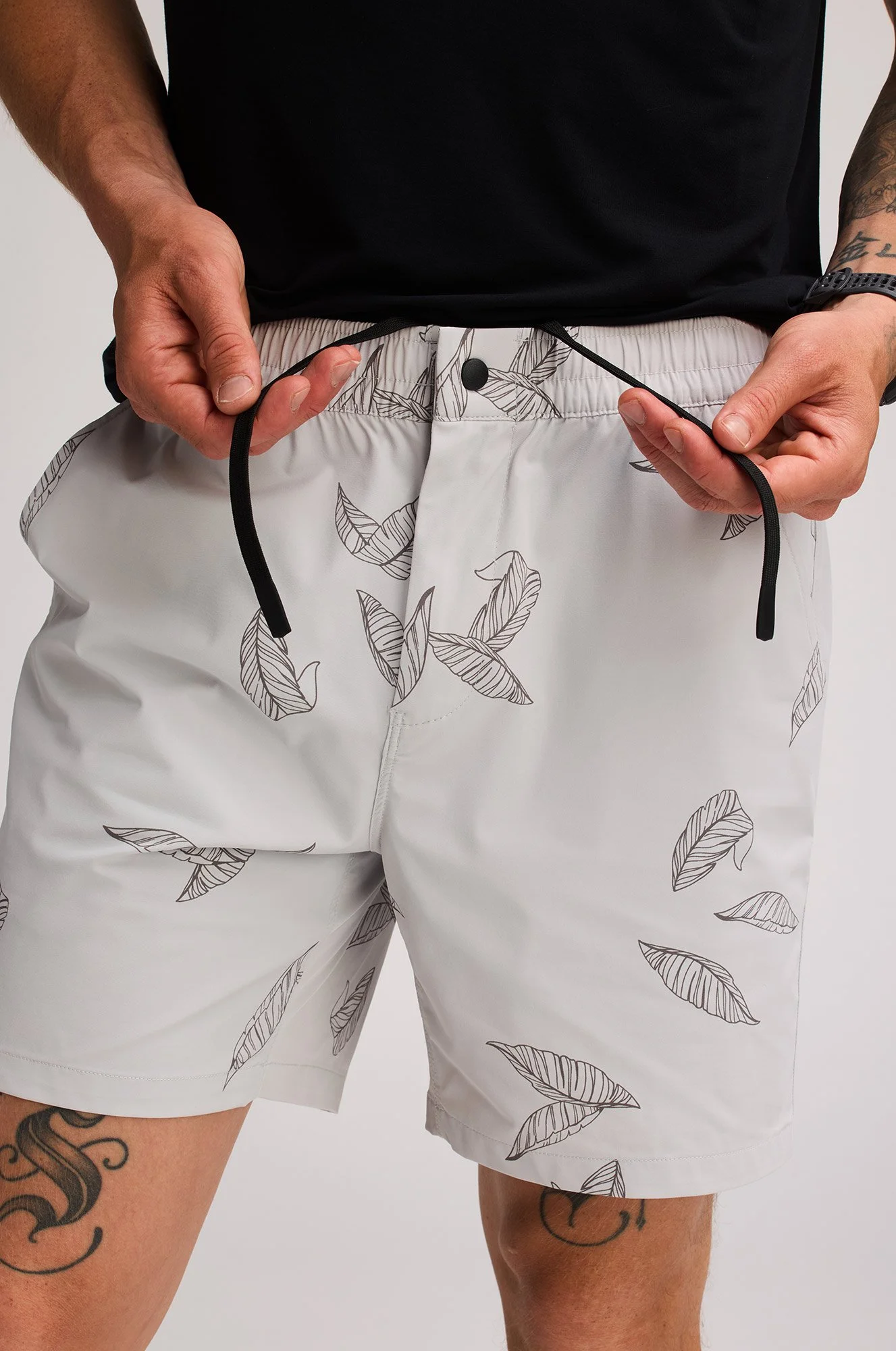
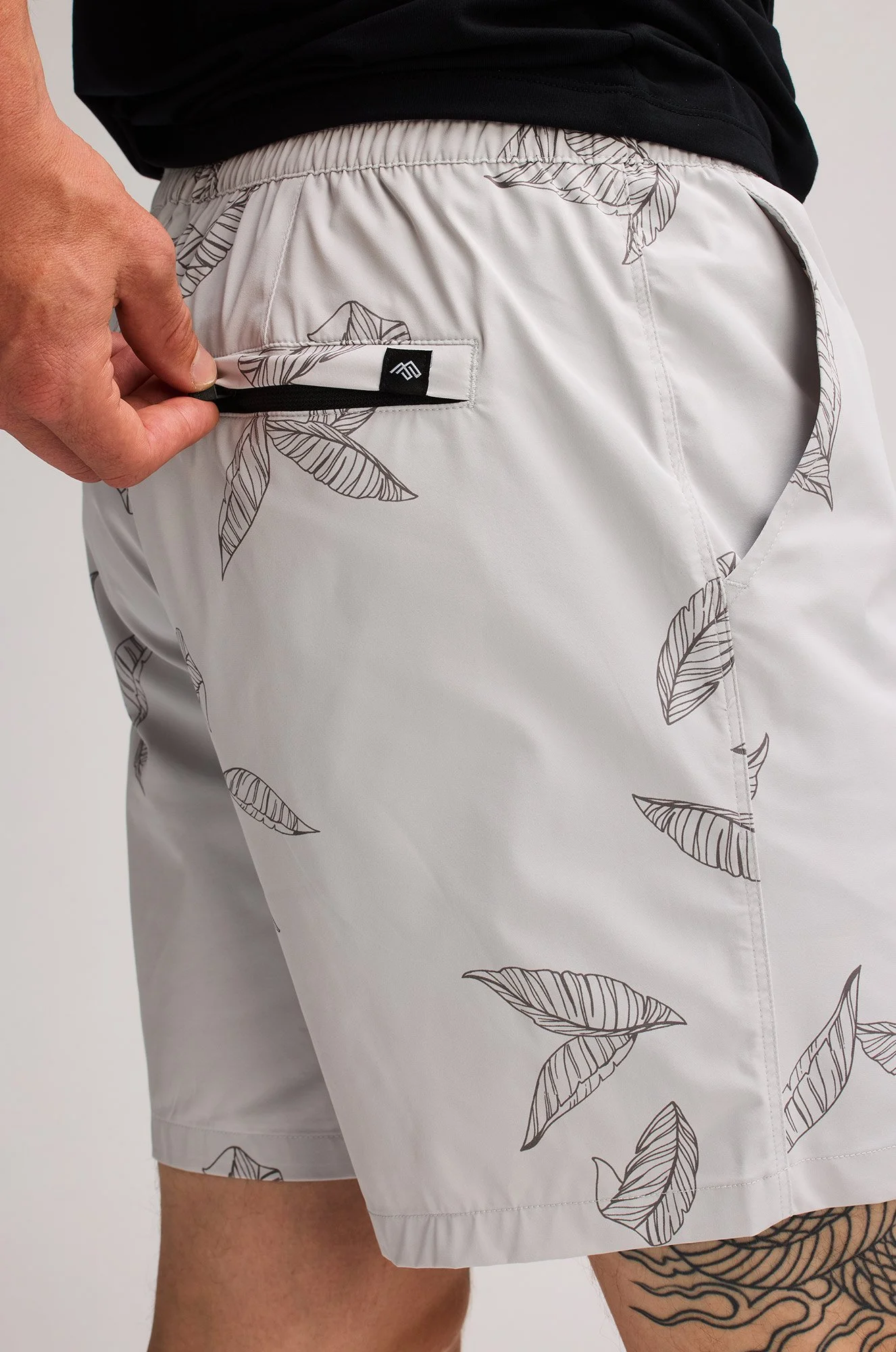
Product photos are your first salesperson. They communicate what your product is and why your customers need it. The product detail page (PDP) on your ecommerce website is incomplete without images that tell your customer what they’re paying for—is it the features of your product, the quality of the materials or ingredients, or the convenience or luxury this will bring to their lives? Customers expect those questions to be answered before spending their hard earned money. Consumers have a lot of options in today’s digital world and product shots that are unclear, lacking angles, or don’t show the product in the best light will not incite trust with potential customers. Without trust, there is no transaction. High-quality product images should provide a complete view of the product, with angles that show all different sides and features (back view, detail view, interior view, hidden features, etc). They should accurately represent your product, using professional lighting and styling techniques to showcase your product in the best light.
Why Product Photos are Important for Online Stores
Since online buyers can’t physically interact with the product they are viewing, visual content that informs and builds trust with a customer is critical in the customer journey. One statistic reports that 93% of consumers consider visual content the most critical factor in their purchasing decision and conversion rates may increase up to 30% with high-quality product photos. High-quality ecommerce photography should:
Build trust & credibility - Poor product photos deter customers from purchasing and increase returns if the product is not accurately represented. In a global ecommerce survey by Cloudinary, 30% of customers say they’ve returned products because they didn’t look as expected on the website. Once you’ve lost trust with your customer, the chances of those customers returning are slim.
Strengthens brand identity & builds awareness - Product photos and videos represent your brand, from the top of the funnel down. They build upon your brand’s story all the way to the finish line. Customers want to see brand consistency and authenticity.
Increase conversion rates & boost sales - The more content included on your PDP, the more confident your customer feels in making the purchase.
Stand out from competitors - Brand-centric, high-quality images catches your customer’s attention and draws them in. With consumers inundated with thousands of images daily, brands can’t afford not to stand out.
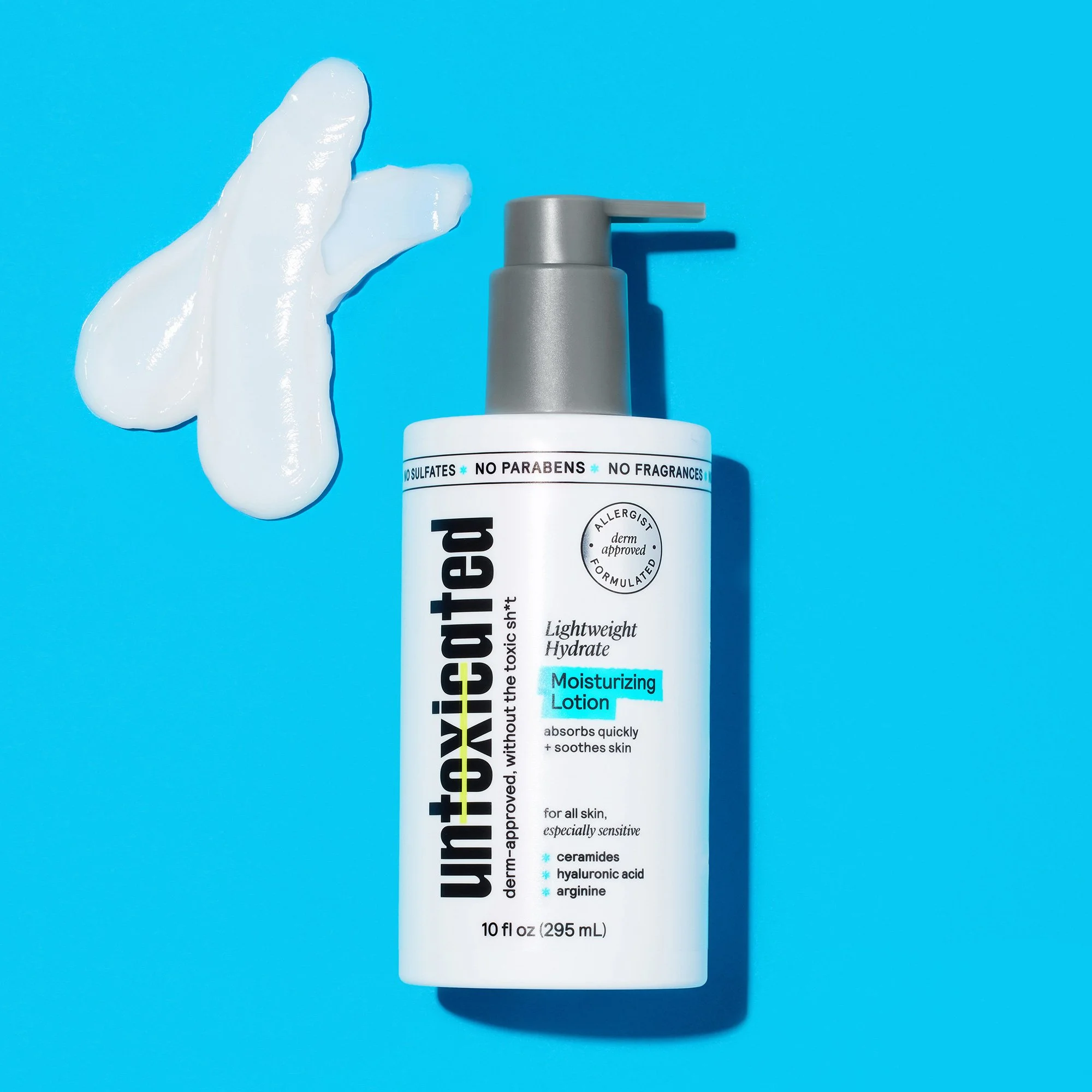
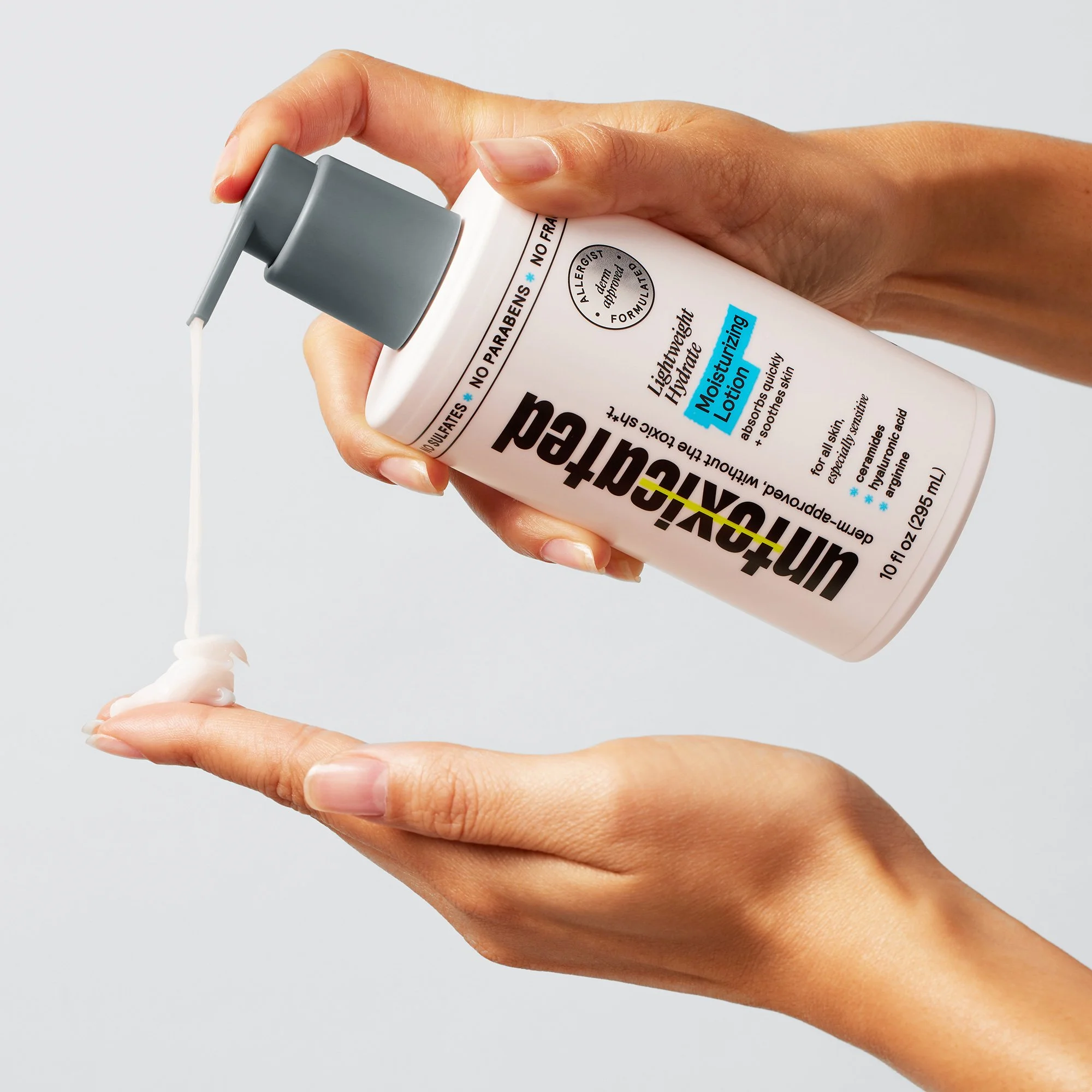
Compelling product photography isn’t just a visual enhancement, it’s a powerful sales tool that builds trust, communicates value, and influences buying decisions within seconds.
Want to elevate your brand’s product photography game? Here are a few simple rules to get you started.
Different Types of Ecommerce Product Photography
Different products, platforms, and brand aesthetics call for different photography styles. The way your products are photographed shapes the way customers perceive your brand, so it’s important to know which style best suits your business’ needs.
We’ll walk you through the most common types of ecommerce photography—their defining traits, their purpose, and examples. Whether you’re aiming for a clean studio look or something more lifestyle-driven, understanding your options will help you choose the best approach for your brand.
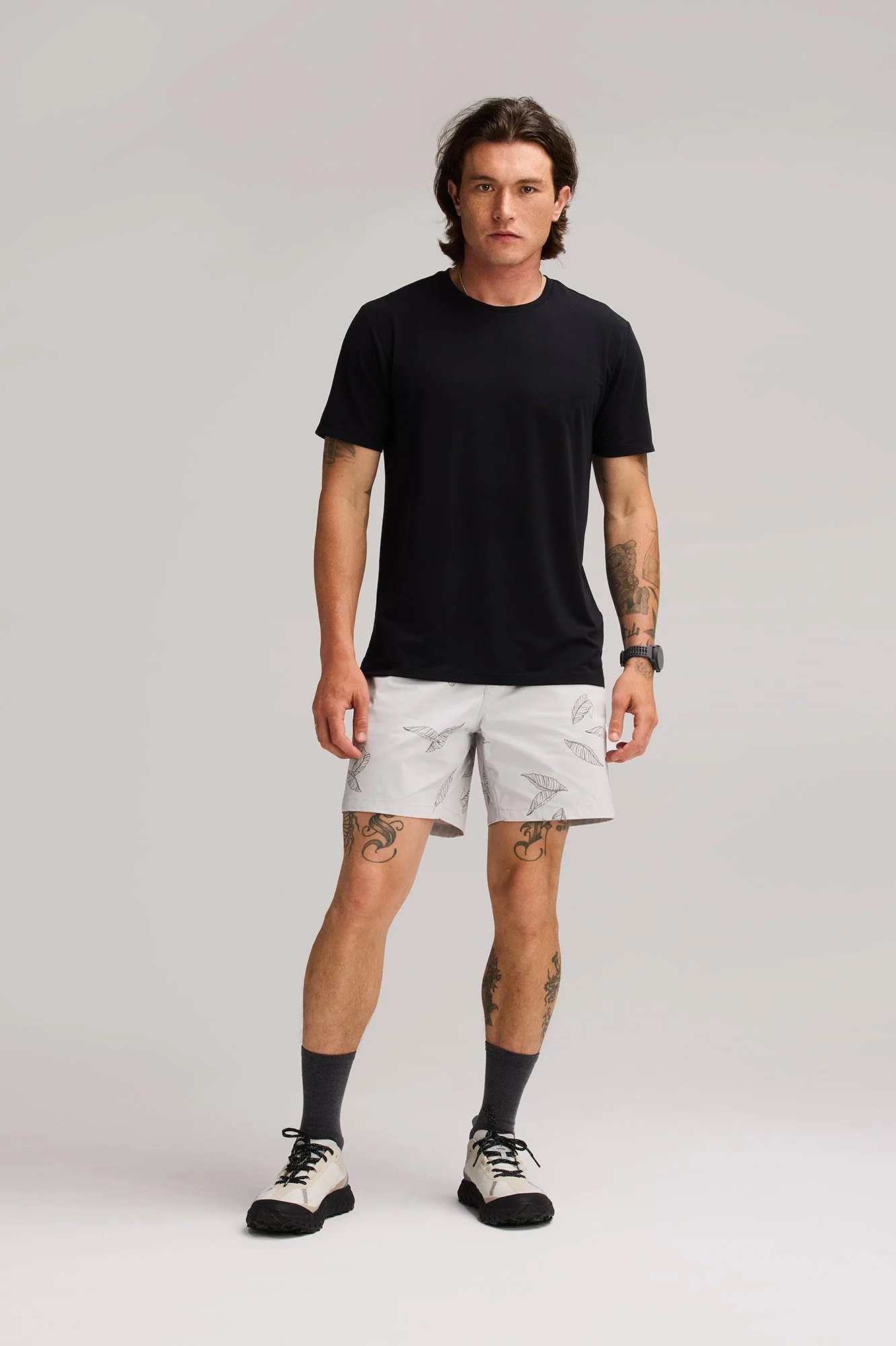
On-Model Photography
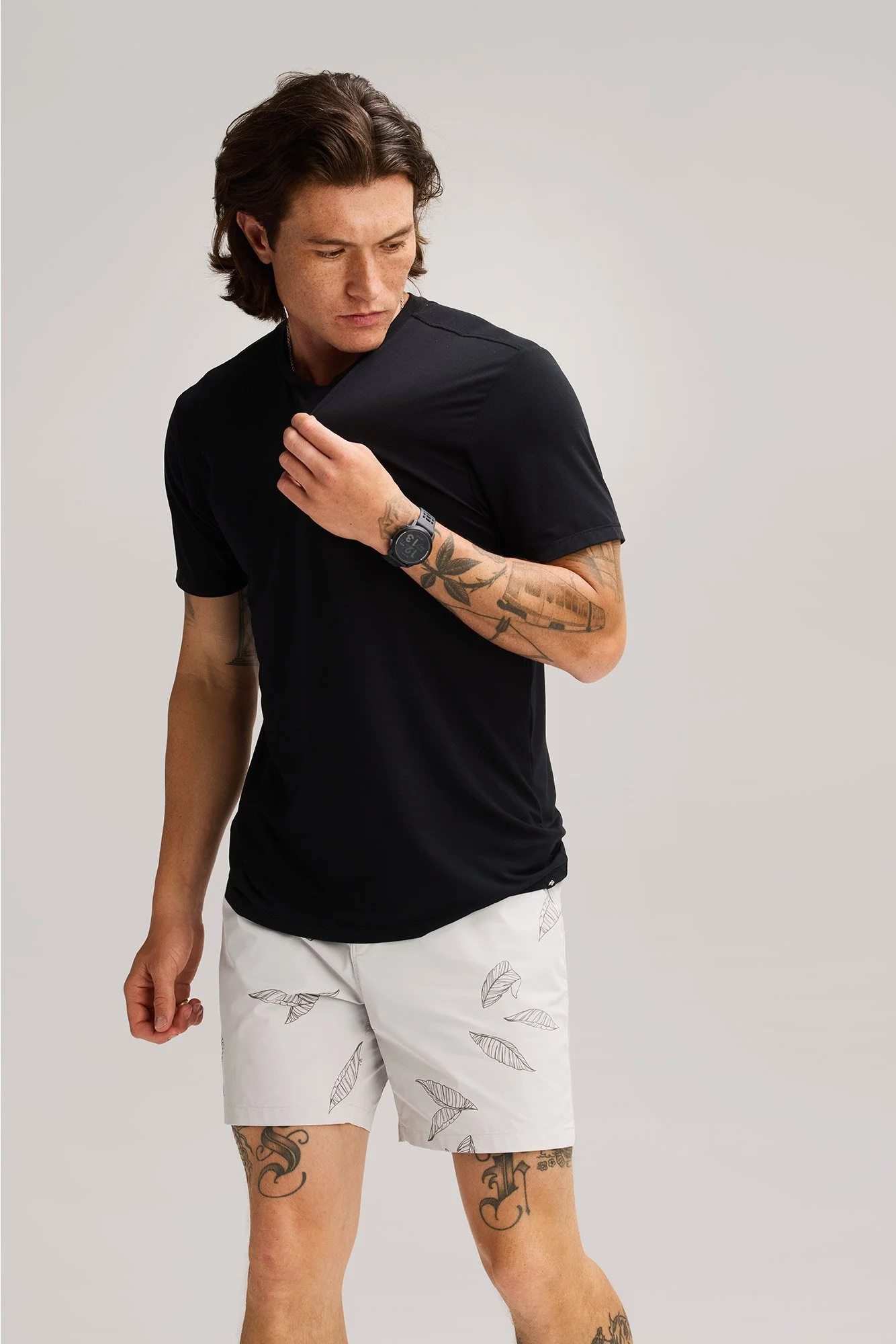
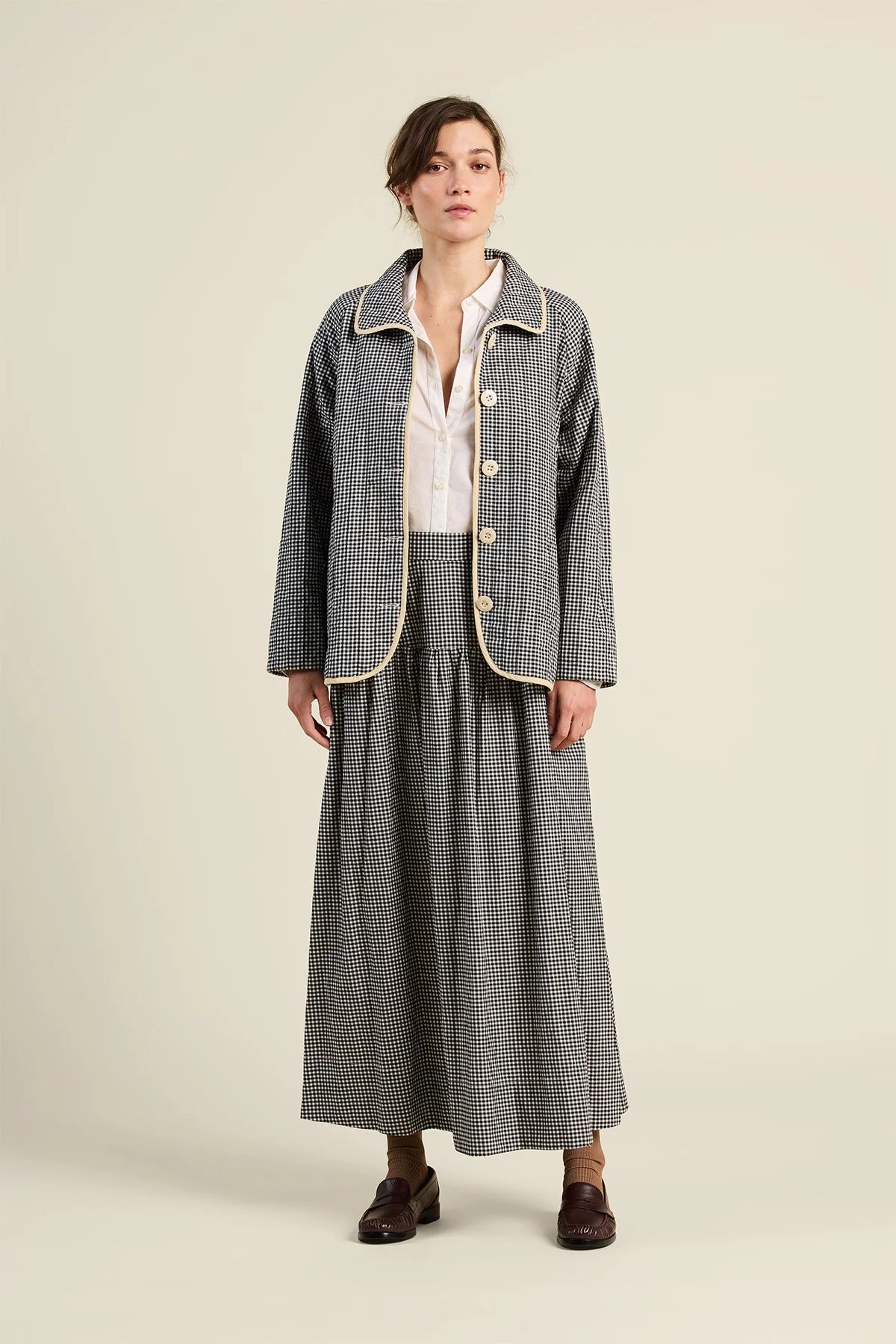
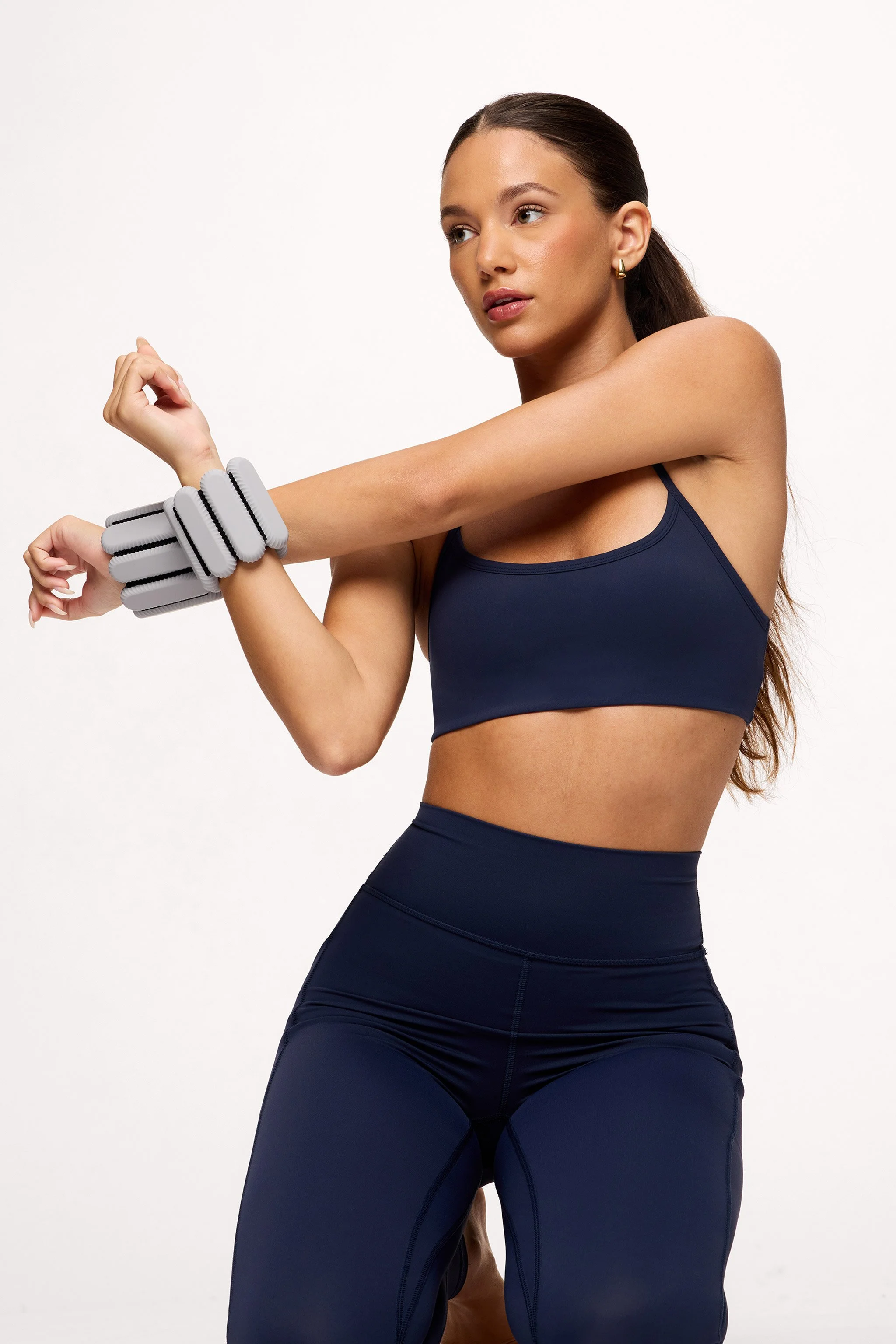
On-model ecommerce photography can be a powerful tool to connect with your customers and drive conversions. Not only does it bring context to your product by seeing how it is worn or used but it can add an aspirational element to your content, helping your customers envision themselves that much better if they make the purchase.
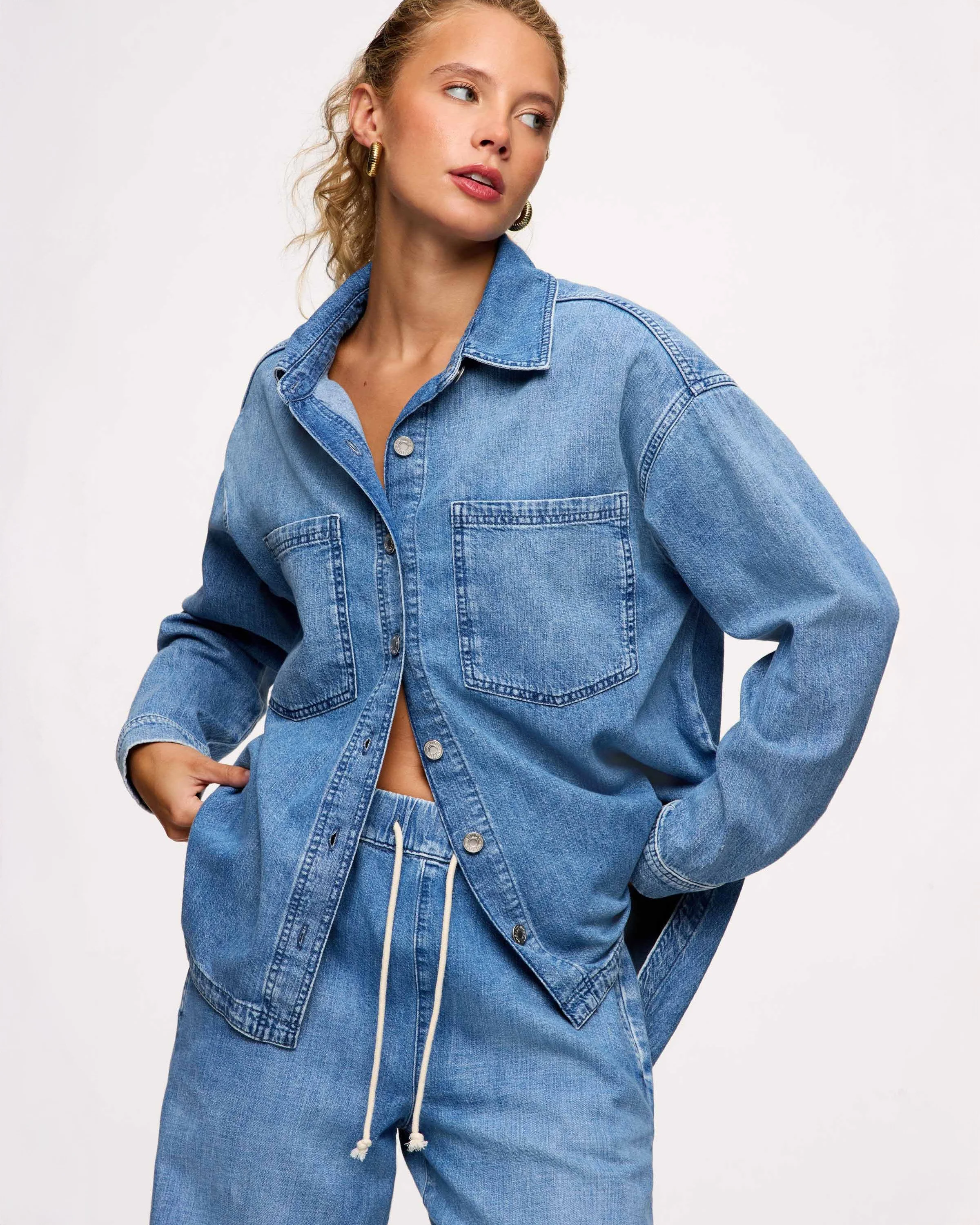
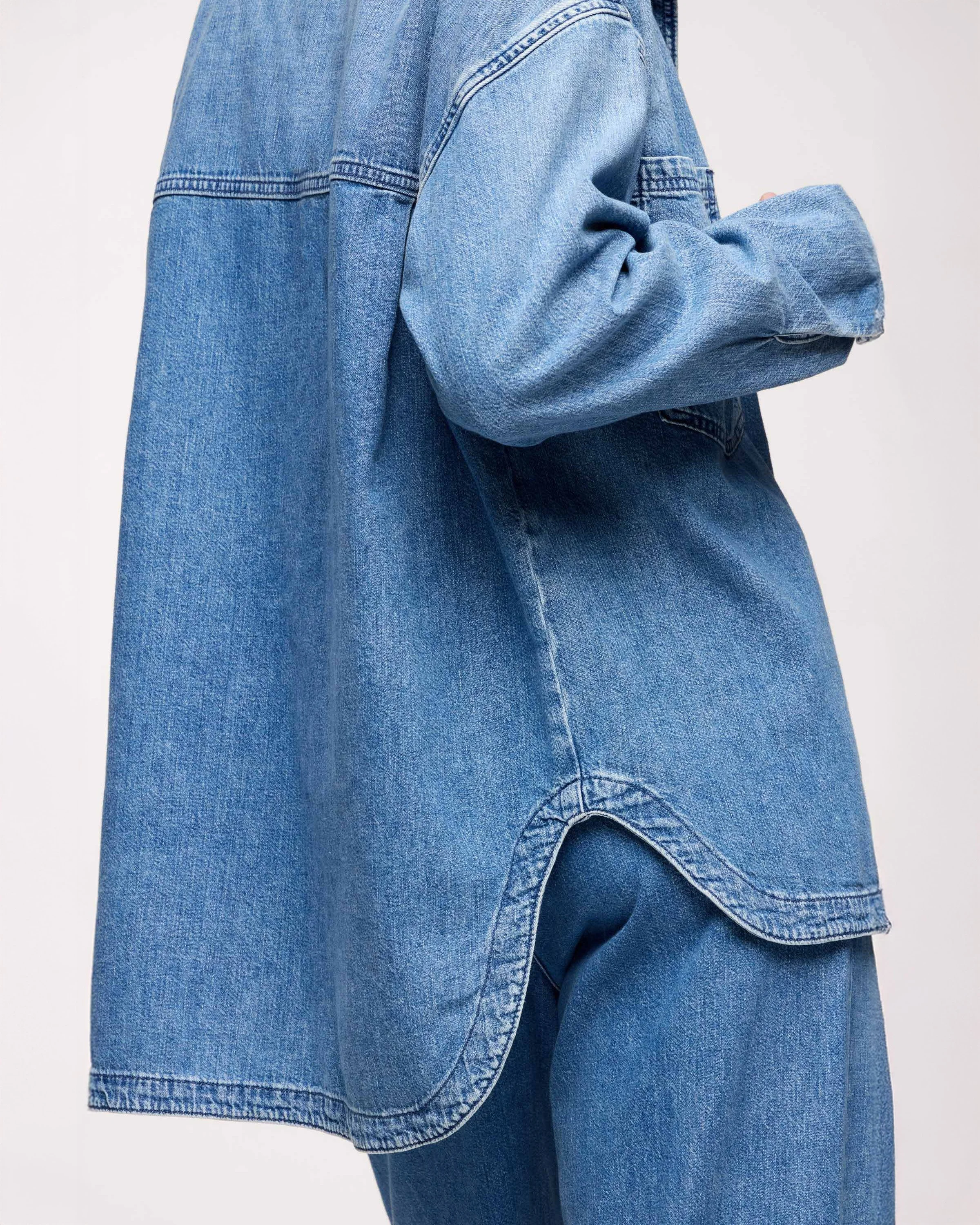

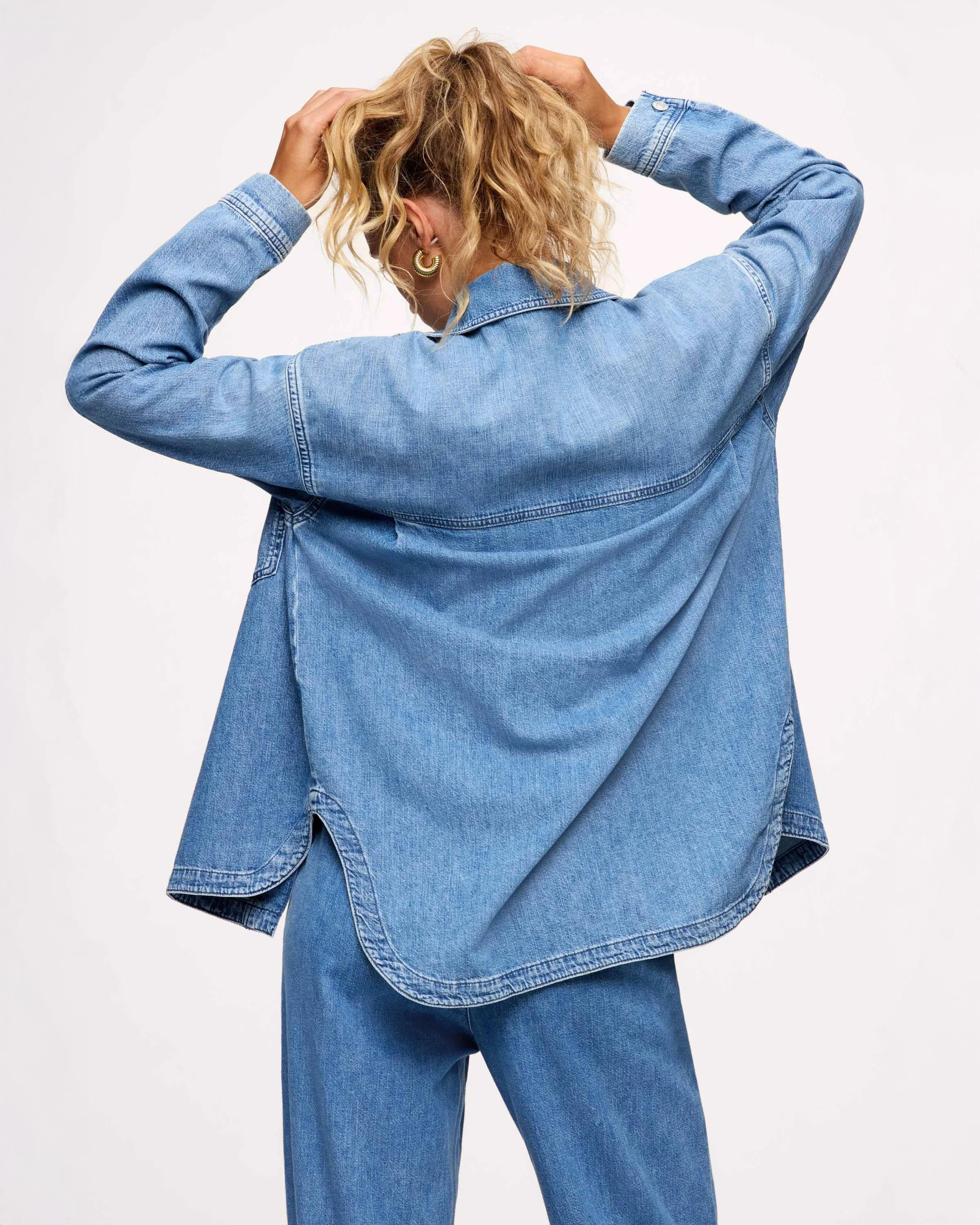
On-model product photography engages in a way that off-figure cannot—the emotional impact can influence a customer’s buying decision.
Ghost Mannequin Photography
Ghost mannequin photography, also called hollow body photography, is an excellent way to show off your product without any distraction. The three dimensional form gives an accurate representation on how the product should fit on a person but without the person or mannequin in the shot to lead the customer to make other judgements.
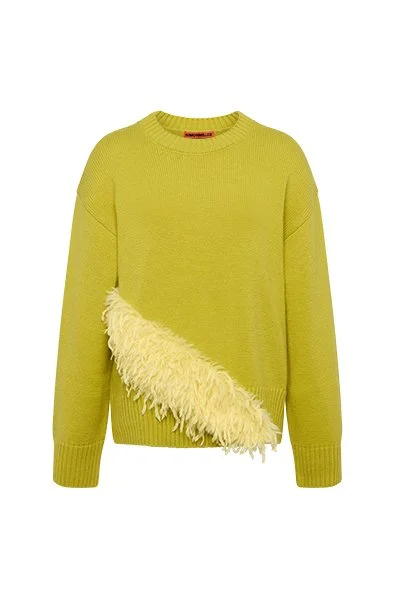
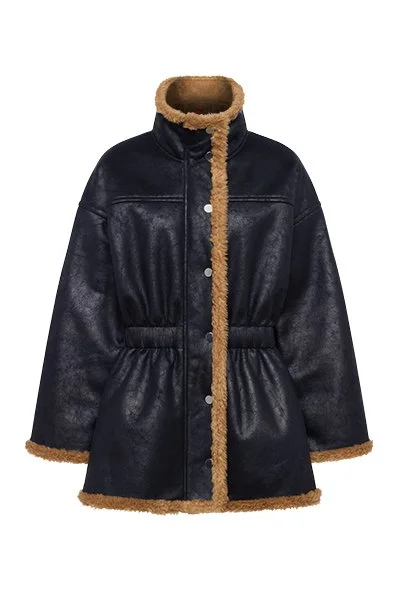
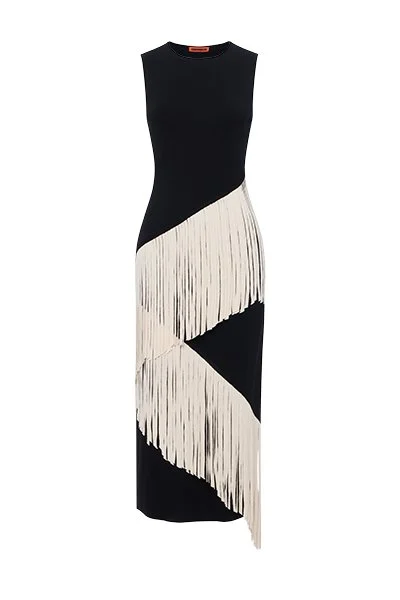
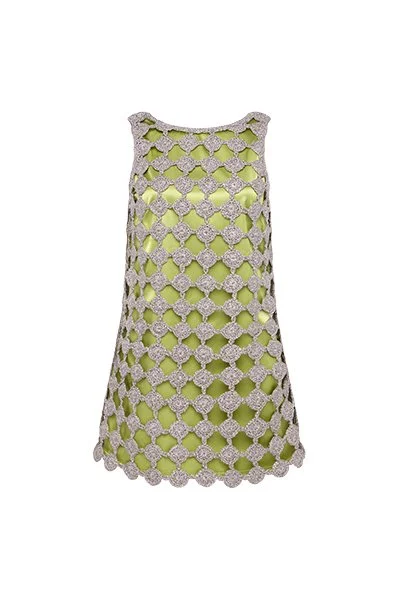
The focus stays solely on the product with ghost mannequin photography.
Flat Lay Photography
Flat lay photography, similar to ghost mannequin photography, keeps the focus on the product, however it can bring a more stylized approach to off-figure product photography. While ghost mannequin is best for fit accuracy, flat lay can show material and movement well with different angles, styling techniques, and lighting.
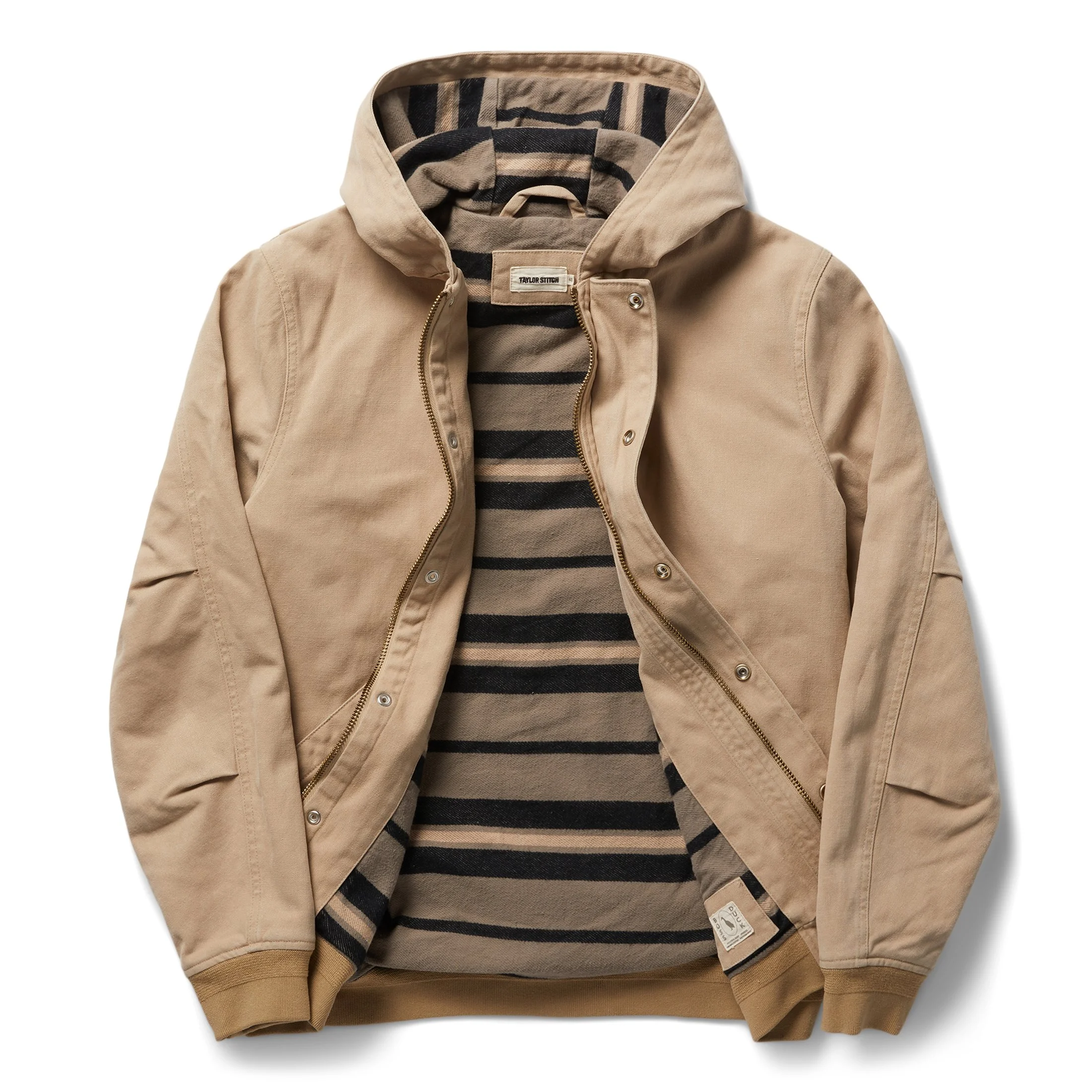
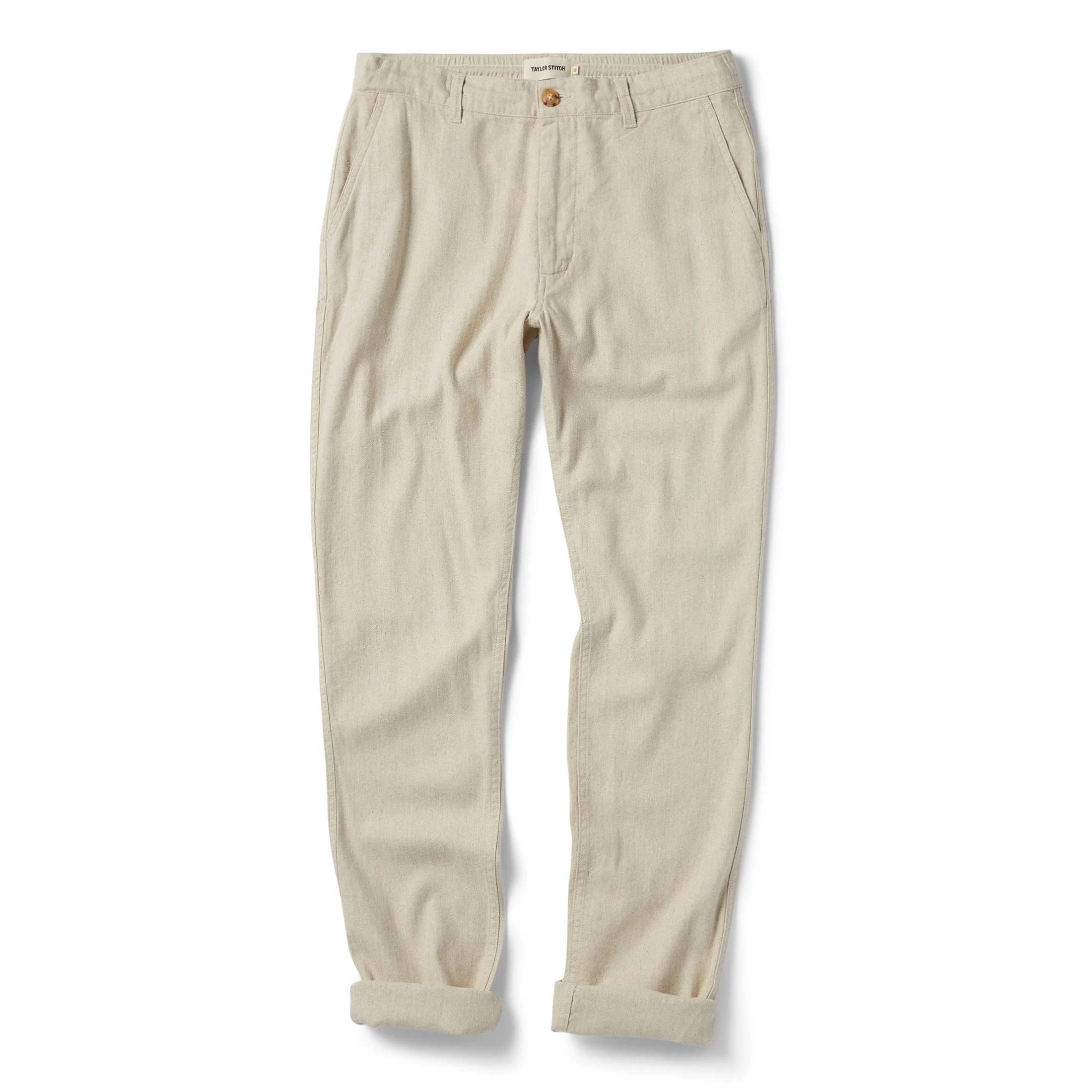
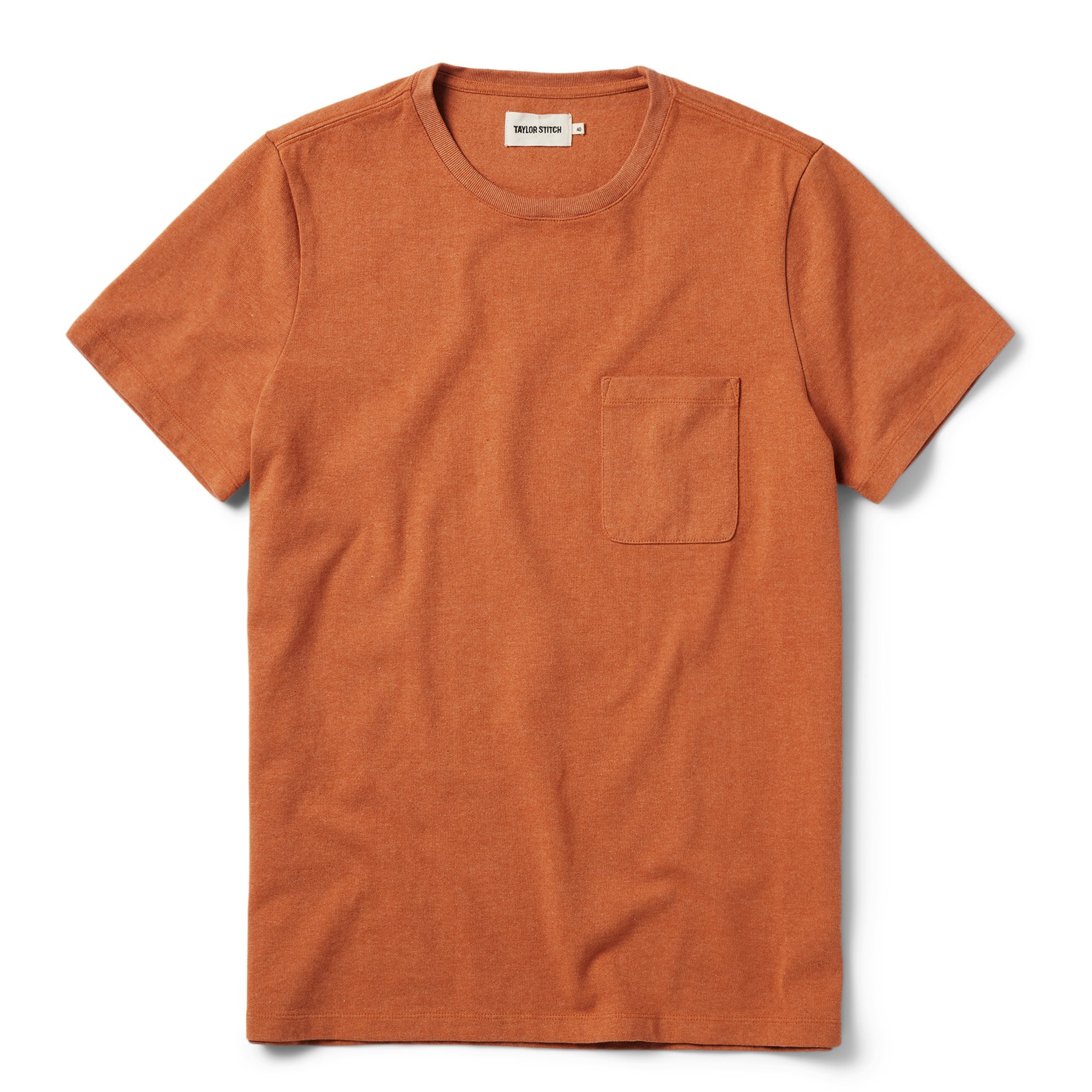
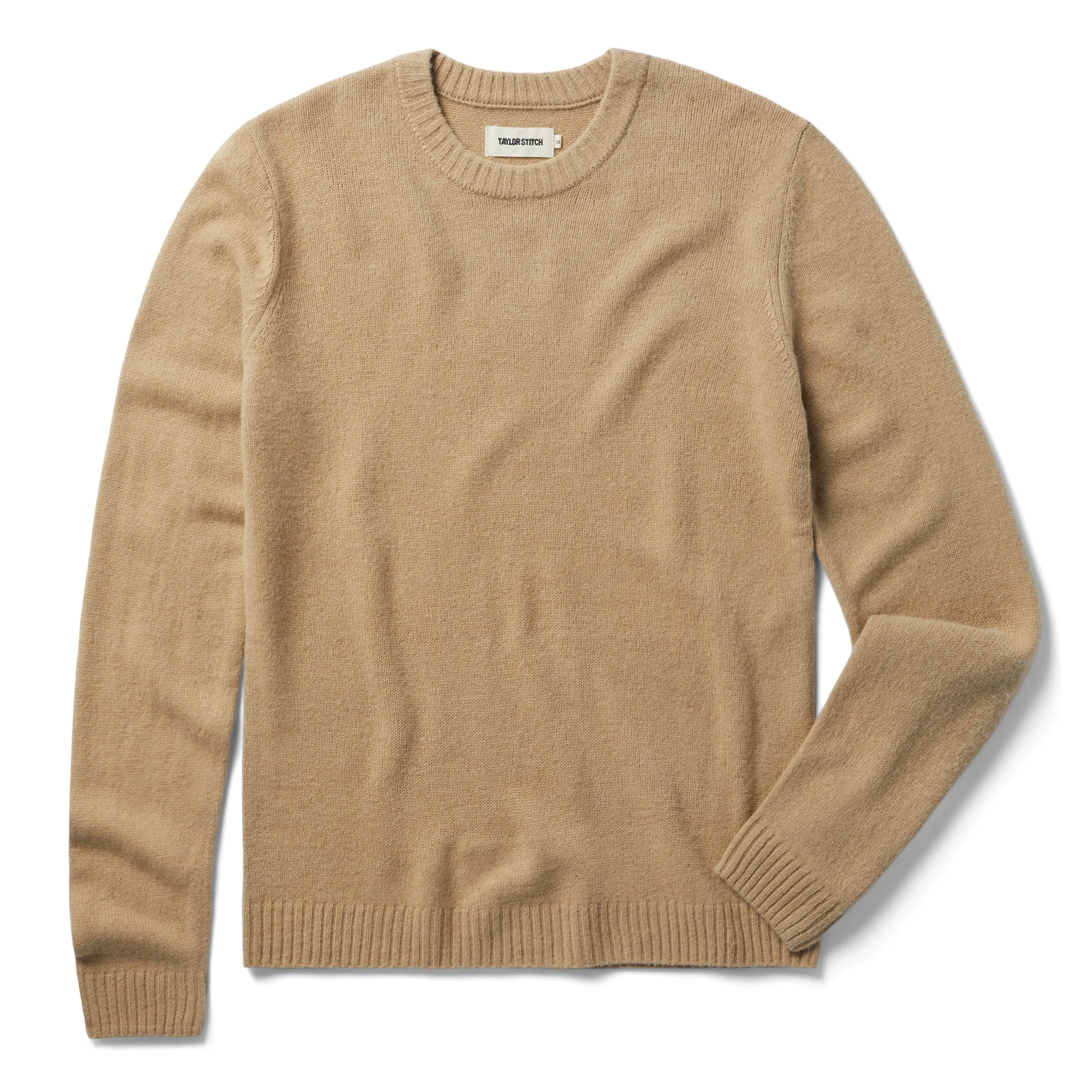
Flat lay photography keeps the focus on your product while still telling your brand story.
Lifestyle Photography
Lifestyle photography’s main purpose is generally aimed at top of funnel marketing, however lifestyle photography is becoming more and more common on the PDP. Since the PDP has grown to be a central part in telling a brand’s story, it’s important that you have well rounded content present on the product page.
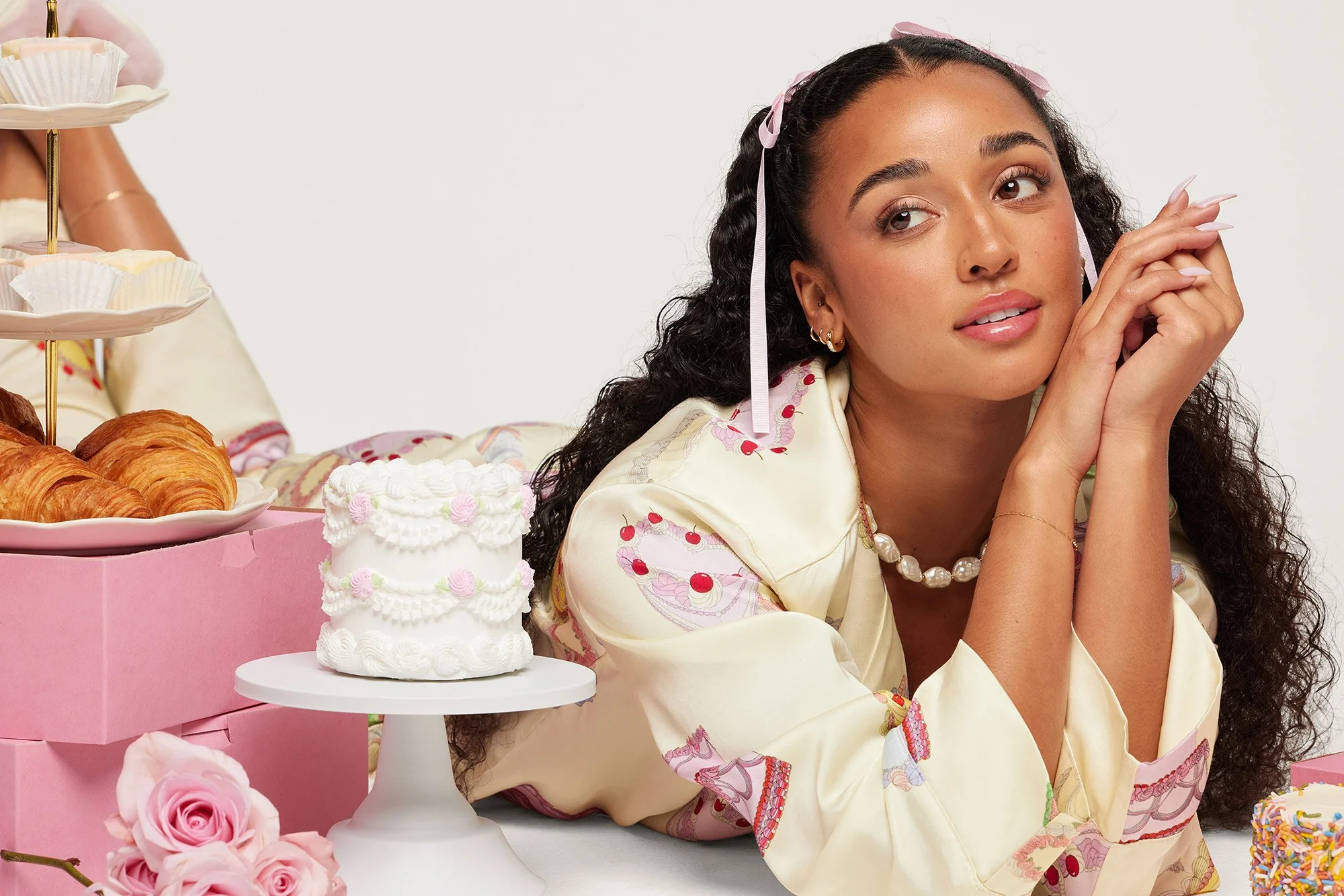

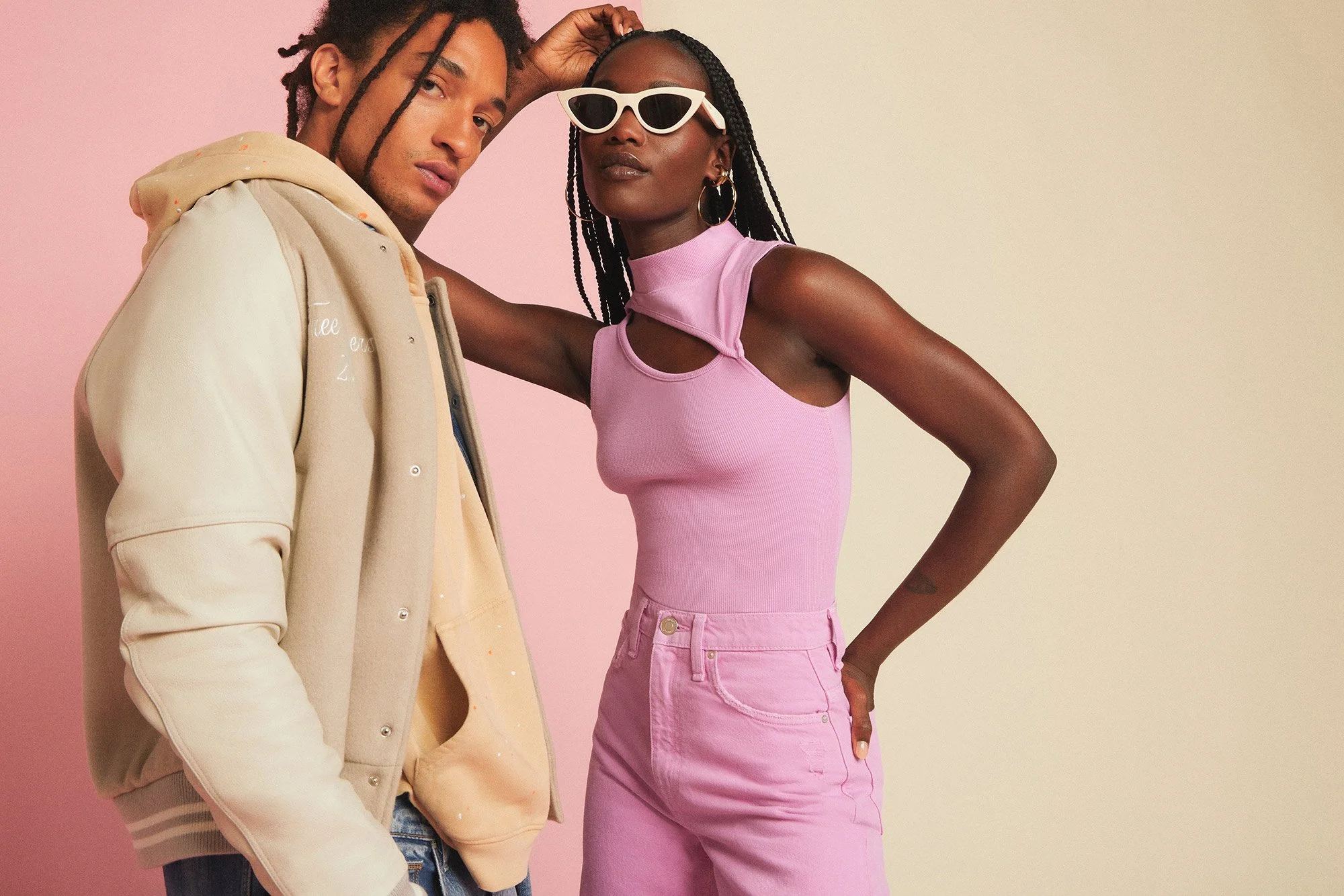

The lifestyle image captivates your customer, the ghost mannequin image shows an accurate fit representation with no distracting models or poses, the flat lay image builds upon your story to show the quality of the product material, and the on-model product image helps your customer envision themselves in the product.
How to Plan & Run a Product Photoshoot: A Step-by-Step Guide
Putting in the work before the shoot is key to a seamless and successful photoshoot. For product photographers, knowing what needs to be shot, how you want to shoot it, and where assets will live in the end are the basics that you should know before you begin. Laying out everything ahead of time will ensure nothing is missed and that you have a well-rounded, cohesive image catalog. This includes:
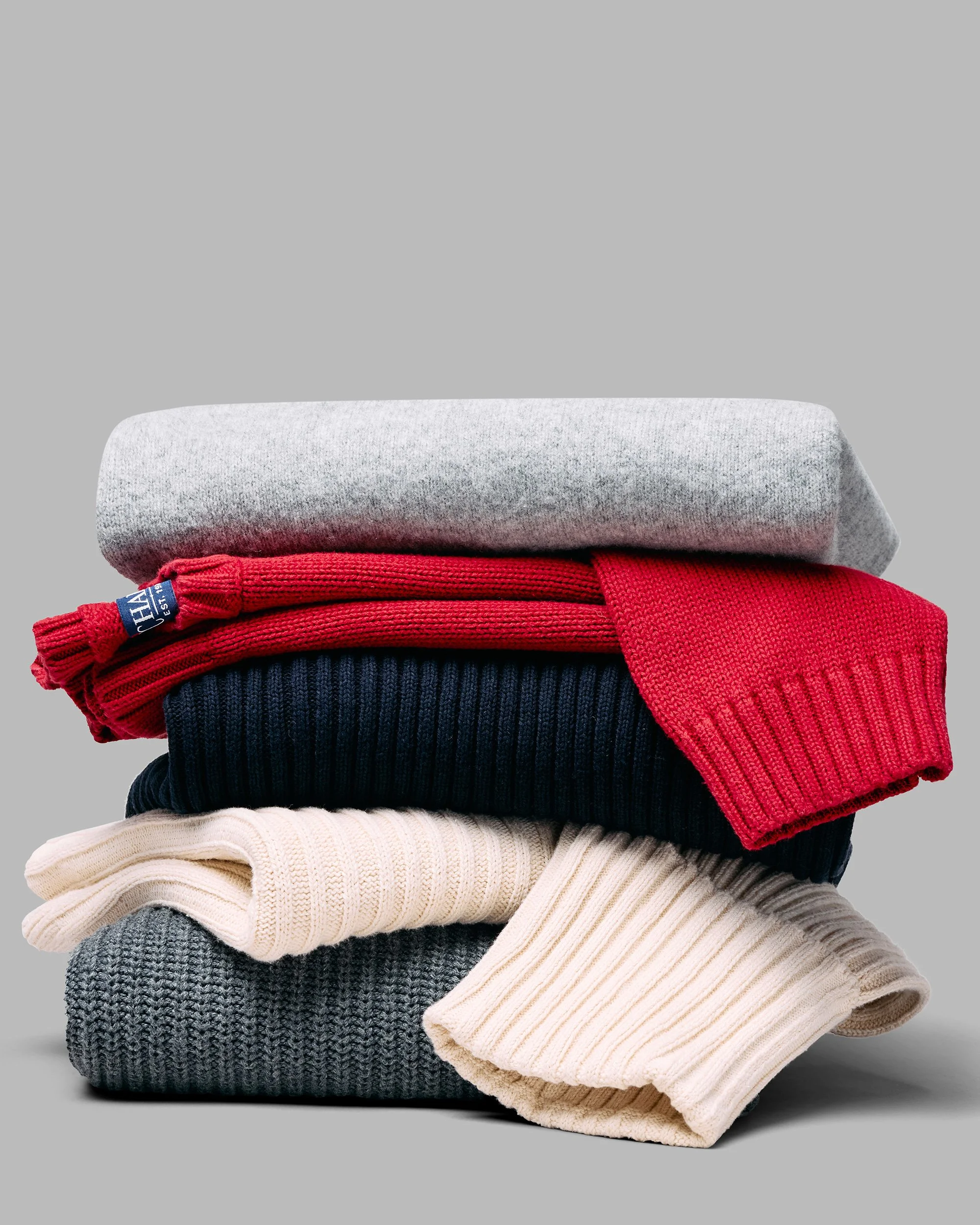
Identify the product to be shot: When dealing with large amounts of various products and assets it’s important that samples are organized and labeled ahead of the shoot. Labeling allows all downstream production tasks to move along smoothly and ensures you get back the correct assets and samples.
Create a style guide or creative brief: The creative brief should give professional photographers inspiration for lighting, styling, backdrops, posing if you’re shooting with models, and the types of angles. It should also include final delivery info, like final image dimensions and ratios, specific cropping, and background color.
Create a shot list: The shot list is the keystone to every shoot and ensures that photographers get the shots you need. Shoots can be chaotic, especially when working on sets with many samples and a lot of crew members. To keep everyone on task, a digi tech or producer will use the shot list to plan the day and ensure nothing is missed.
To learn more about producing a streamlined product shoot, review our blog here.
What to Expect When Working with an Ecommerce Photography Studio
Working with a professional ecommerce product photography studio takes the heavy lifting off your shoulders but will still require guidance and education from the brand. Photography and styling can be highly subjective and brand-specific so it’s up to you to provide your likes and dislikes. From there, it should be a collaborative effort to decide on the right lighting and styling that will highlight your brand and your product’s selling points.
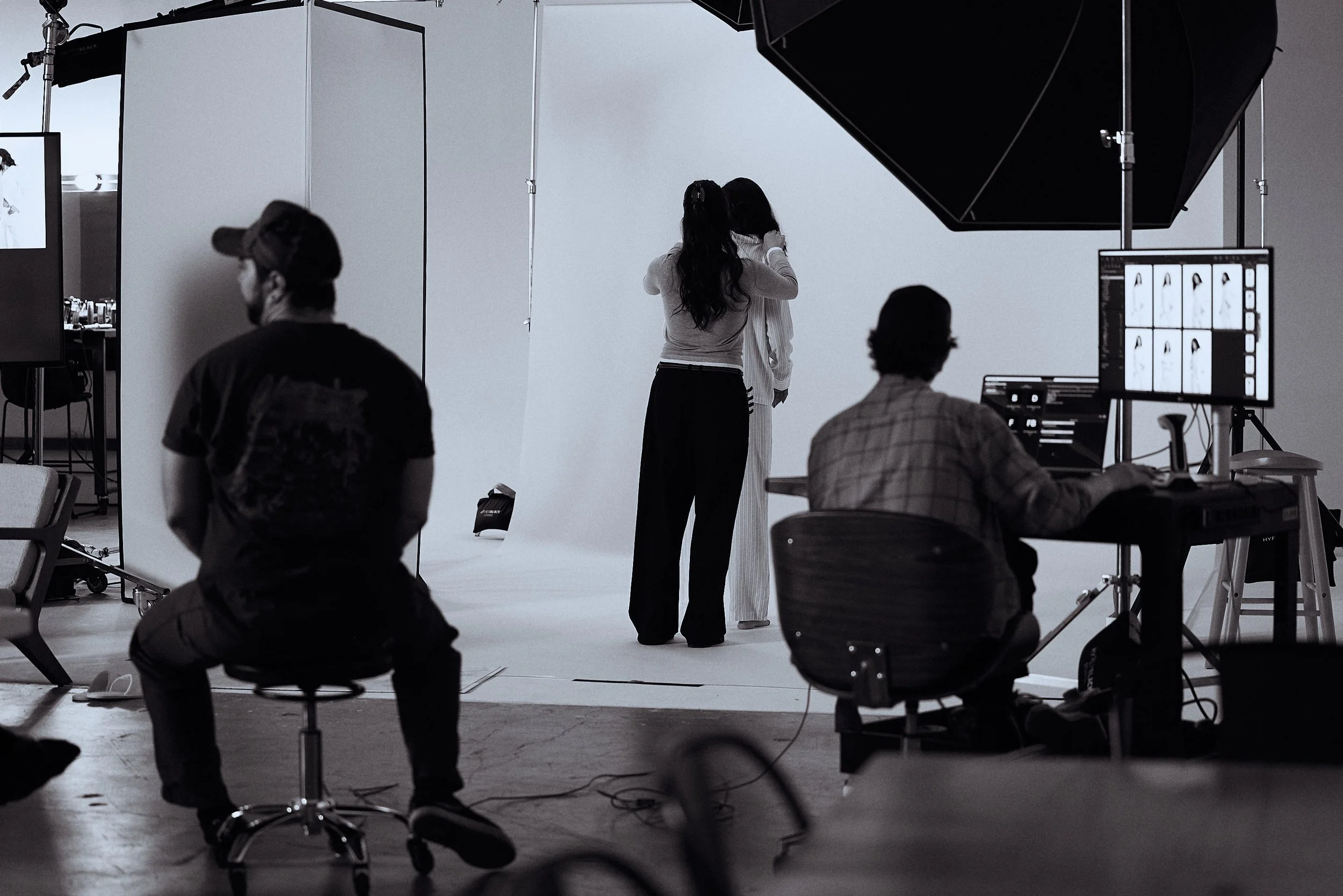
A professional product photo studio should provide timelines and guidelines up front—this includes a detailed production timeline and transparency on their process. The studio will be responsible for executing based on your creative vision but the brand will be responsible for providing the merchandise to be shot and the product information to create a shot list, style guide, and to name the assets.
Post-Processing for Product Images
The photoshoot is only half the battle—once that ends, post-production begins. It’s important that these two functions work in a collaborative effort from beginning to end so that the final output reflects the initial goals set.
Organizing Your Files
Organizing your files starts in pre-production, with labeled samples and a shot list. This allows files to be shot and named accurately and allows for checks and balances through each stage of production, all the way to asset delivery.
The Retouching and Photo Editing Process
The amount and kind of retouching may vary by brand but there are some baseline standards that all brands should follow to keep your site looking consistent and images looking crisp. Cropping, sizing to your site requirements, applying a consistent background color, removal of styling aids, and symmetry/straightening for off-figure products are editing basics.
Delivering the Final Product
Decisions on your asset delivery requirements should include the web design and development teams. To ensure the highest quality results, it’s important that the file format, image sizes, and resolution match your site design.
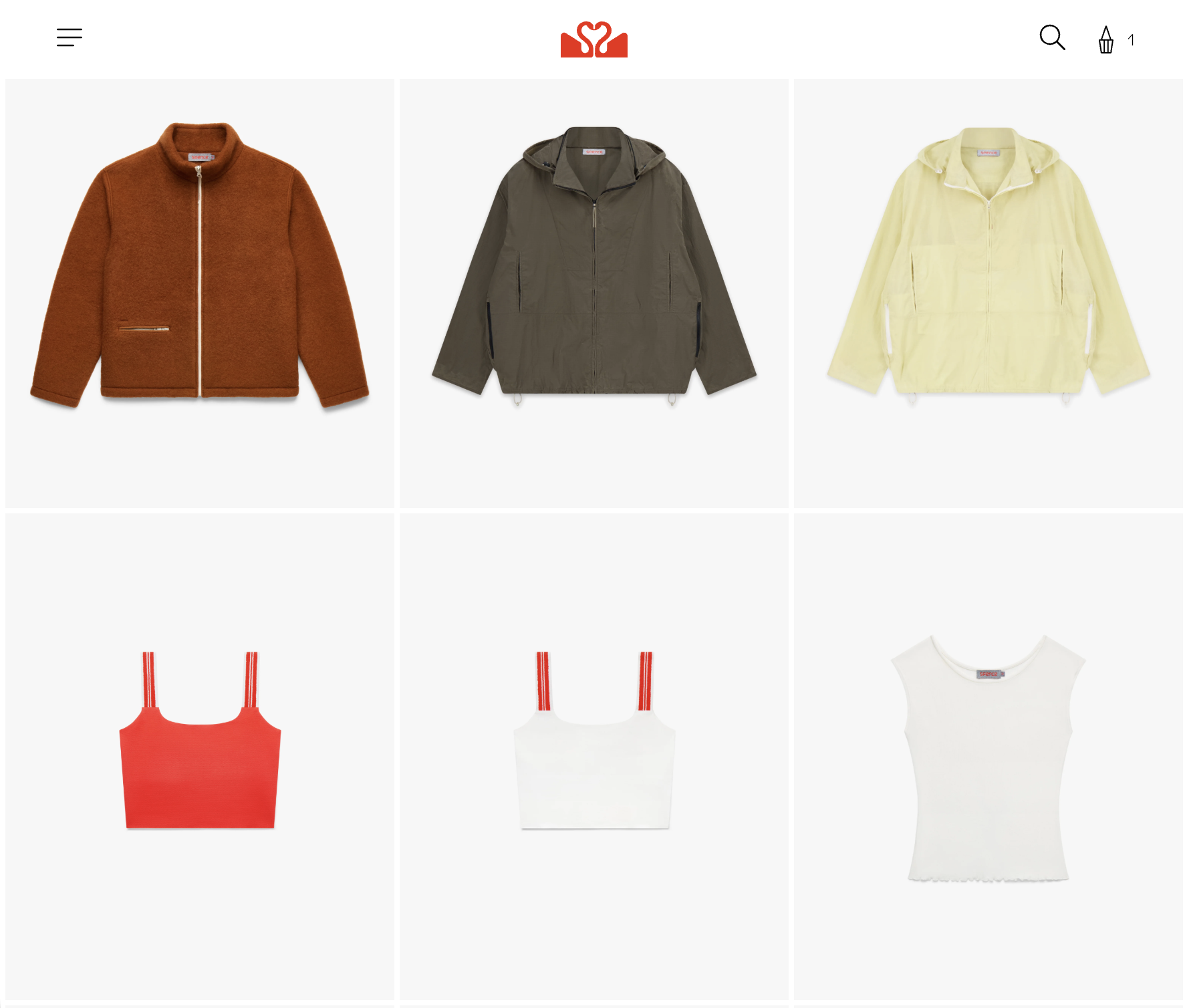
Ecommerce retouching should aim to make your product beautiful, while maintaining accuracy. To read more about how to achieve this result, learn more here.
Common Mistakes to Avoid in Product Photography: Product Photography Tips
It’s easy to take a picture and add it to your ecommerce store but that’s not what sells a product. High-quality ecommerce product photos look at every aspect of production to ensure the product is represented in the best light possible. This means you should avoid:
Messy Styling
Styling is critical when it comes to ecommerce photos. Messy styling or worse yet, no styling detracts from the product and will turn your customer away immediately. The details of your product deserve to stand out. Apparel and soft goods should always be steamed prior to shooting to remove all creases and fold lines. Styling will often require pins, stuffing, and a seasoned pro who understands how to work with fabric and what to look for. They look at how collars should sit, how a tuck should look, that straps are placed evenly and much more.
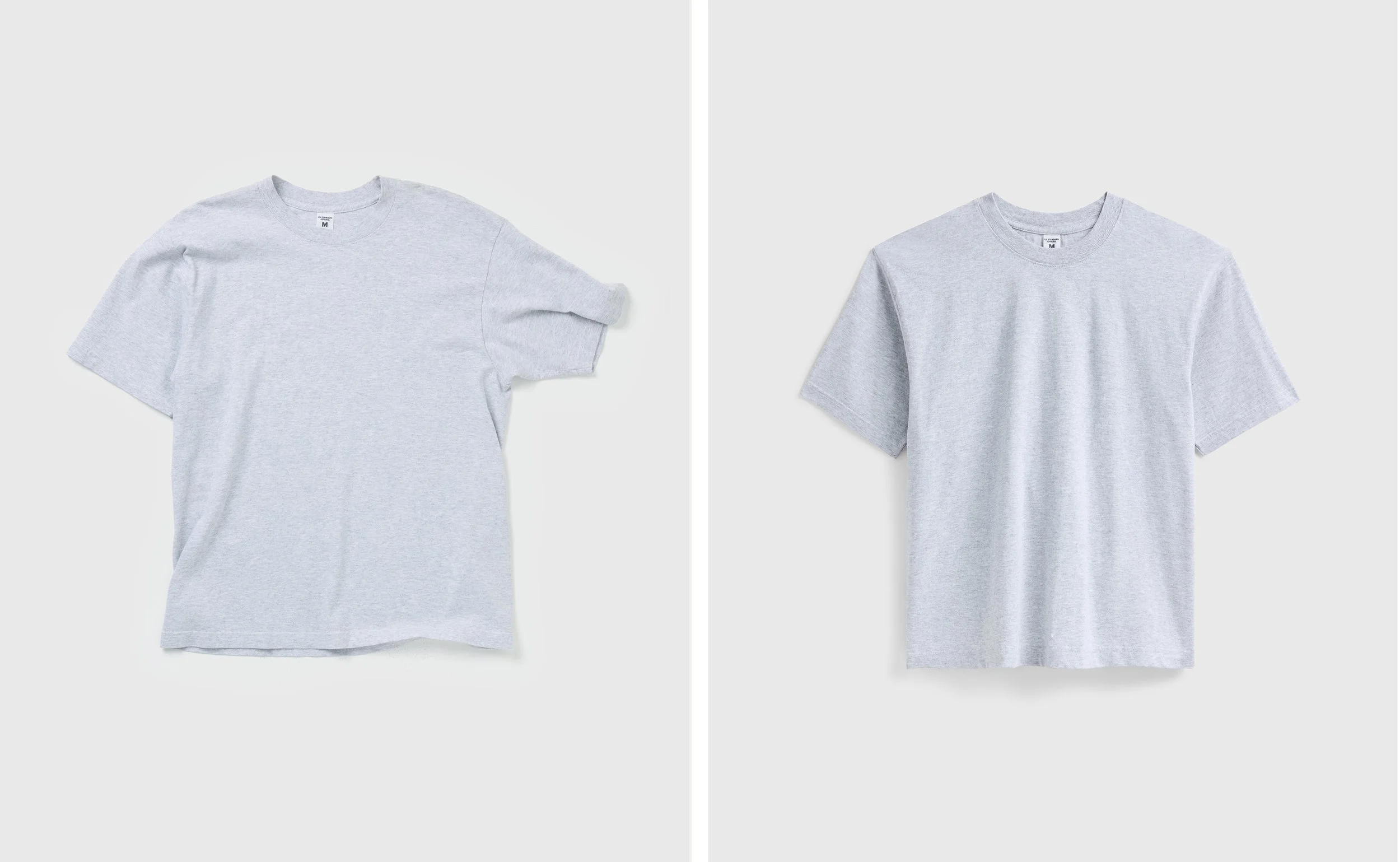
Poor Lighting
Well-lit and consistent lighting is the keystone to ecommerce photography. Consistency builds trust with your customer and makes your site feel intentional and on-brand. Lighting contributes to your brand story and brings your product to life. Once you decide on a lighting scheme, it should be easy to replicate at every shoot to build upon that consistency.
Missing Angles
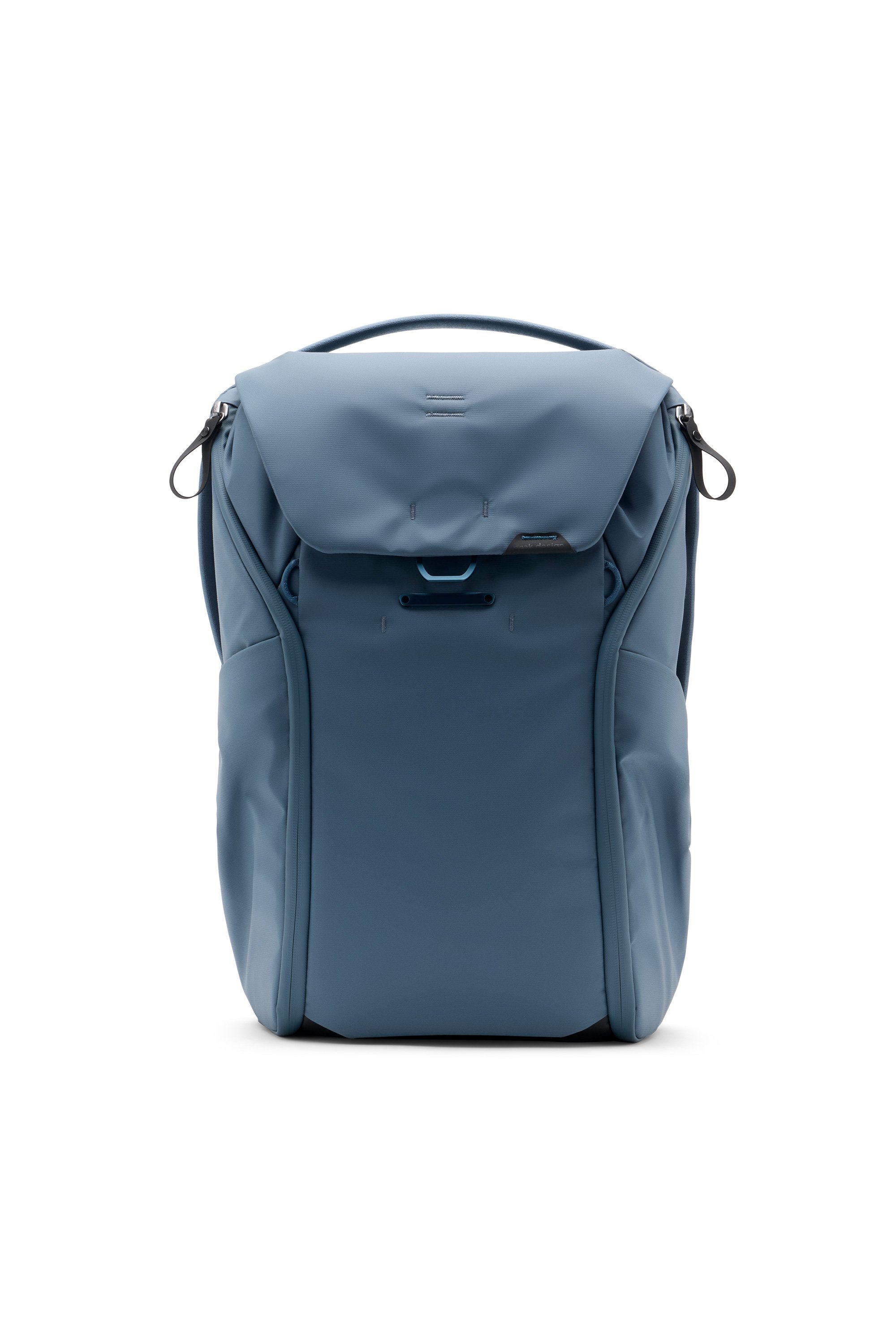
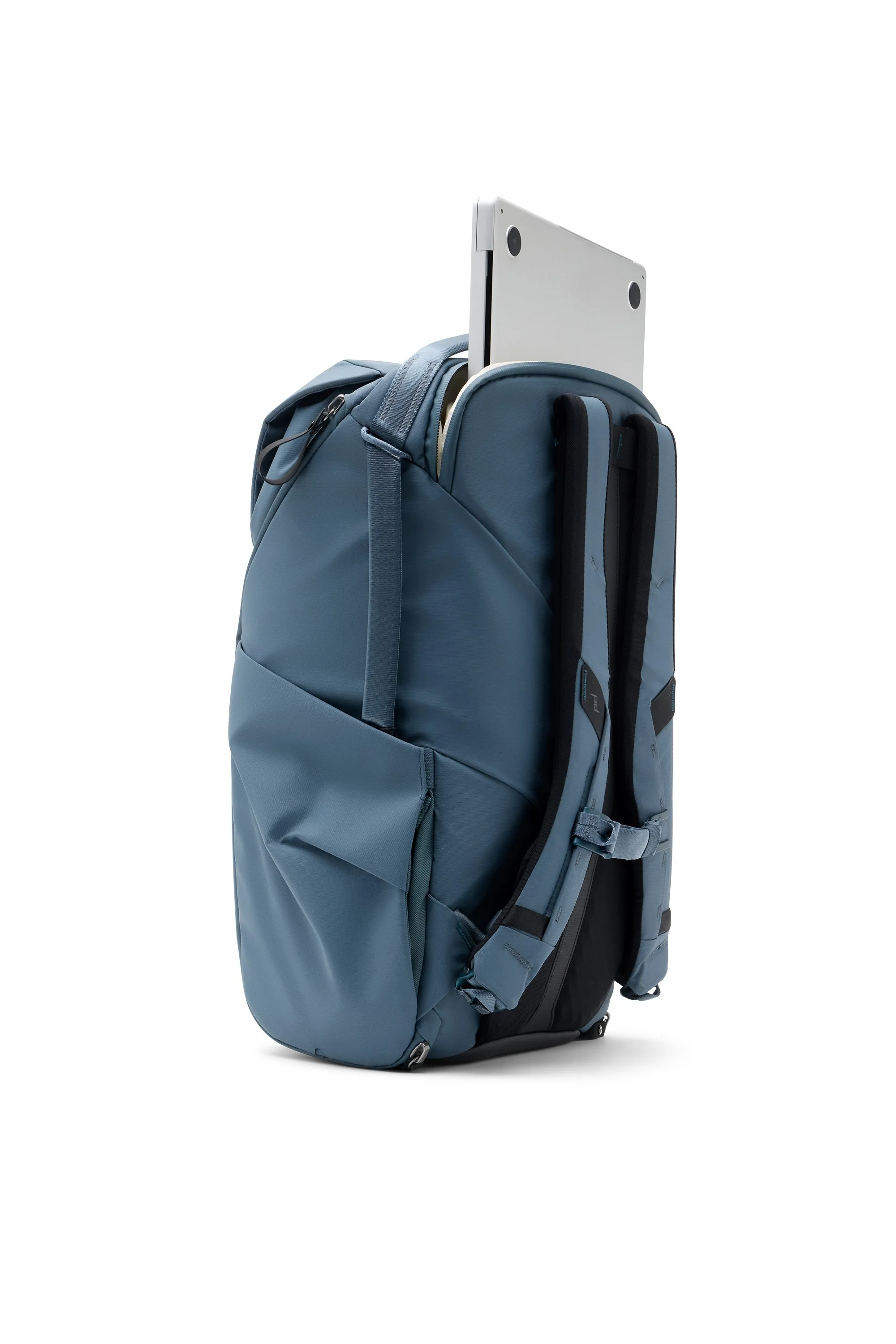
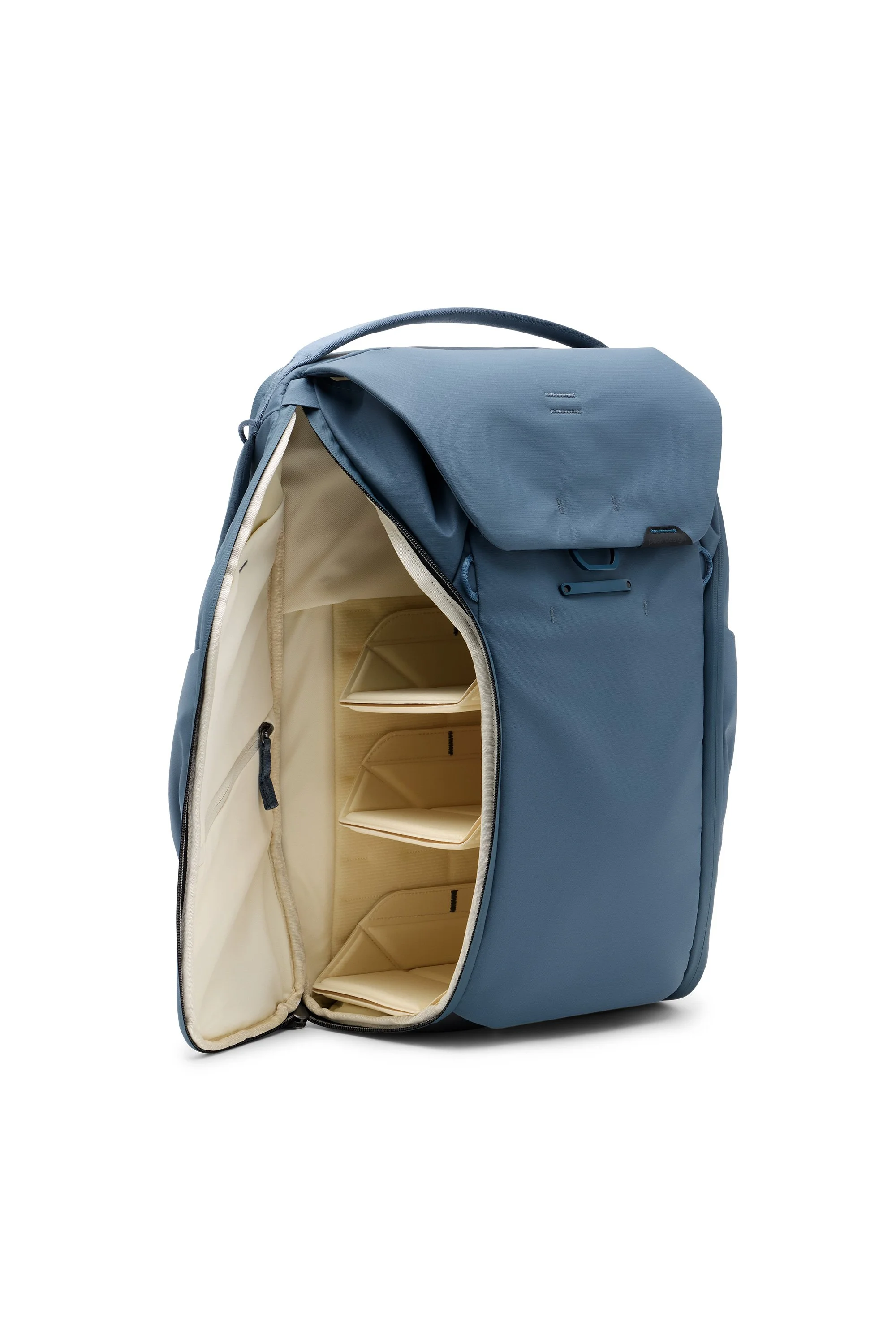
Choosing the right angles for your products will allow your customer to feel confident in their purchase. Keep in mind, your customer cannot touch and hold your product—the angles you choose to show are the prime factors in converting your customer. Any unique selling points, like high quality fabrics or hidden pockets, should be clearly shown in alternate shots.
Over-Retouching
Retouching should be used to enhance and create a cohesive look in your image catalog and should never be used to alter the way your product looks in real life. Maintaining an accurate representation of your product is critical to preventing returns. In one report from Pixelz, 56.5% of consumers cite overuse of retouching as a reason why they lose trust in a brand. Retouching can be a powerful tool but consumers crave authenticity. Over-smoothing a model’s skin or removing all wrinkles from a product will convey inauthenticity and breed distrust.
Ecommerce Photography Trends in 2026
In 2026, customers crave rich product visuals and care deeply about authenticity—they expect more from brands and are looking for connection. The PDP has become the star of your site, with customers often skipping the home page through direct links from social media or other digital marketing avenues. Here’s what we’re seeing trending this year:
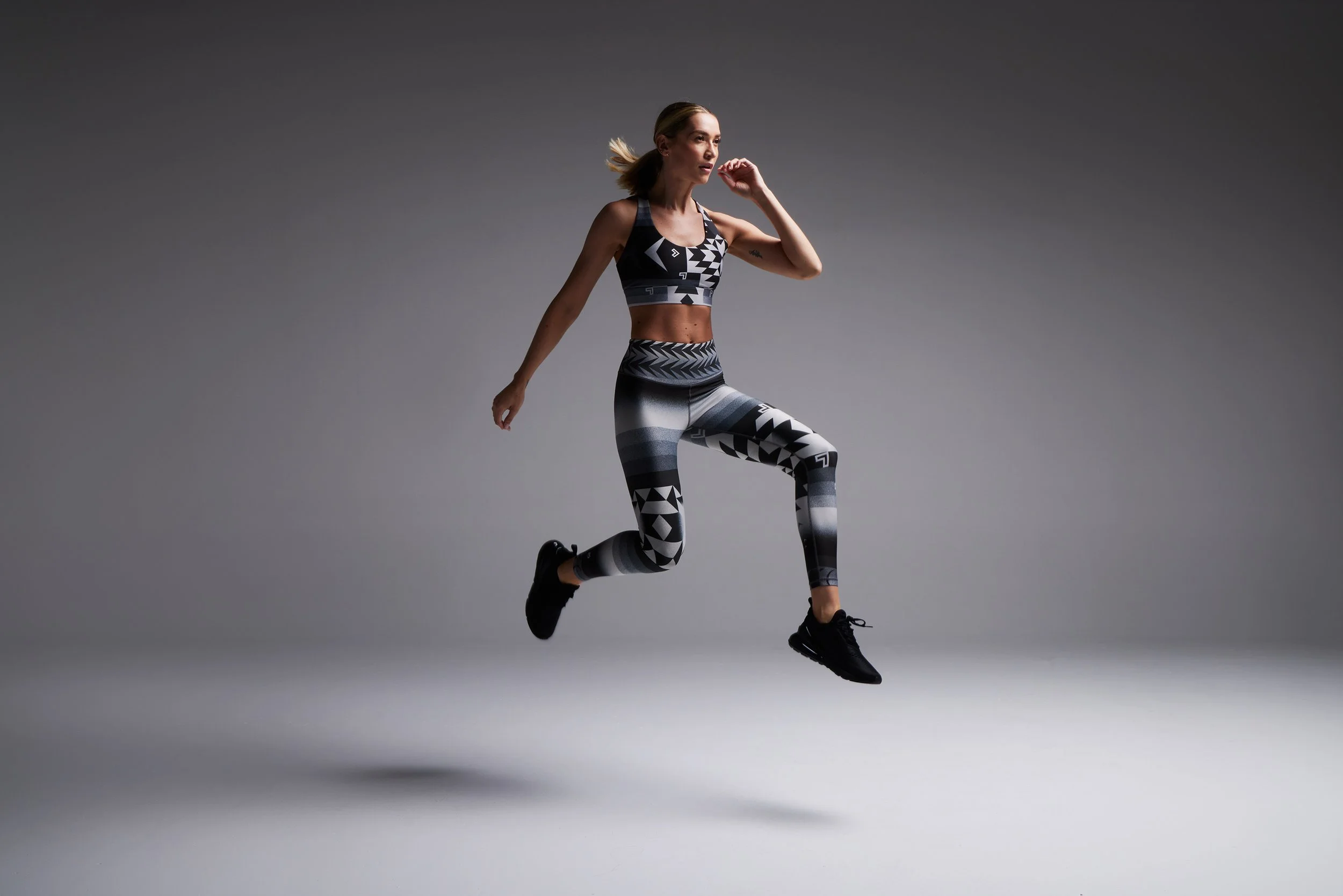
Editorial-Style and Lifestyle Photography
This type of imagery is becoming increasingly popular with customers wanting to see more expressive content on the PDP. Bold lighting and color palettes and dynamic angles help brands stand out and tell their brand story more powerfully beside their product images.
AI-Generated Imagery and Automation
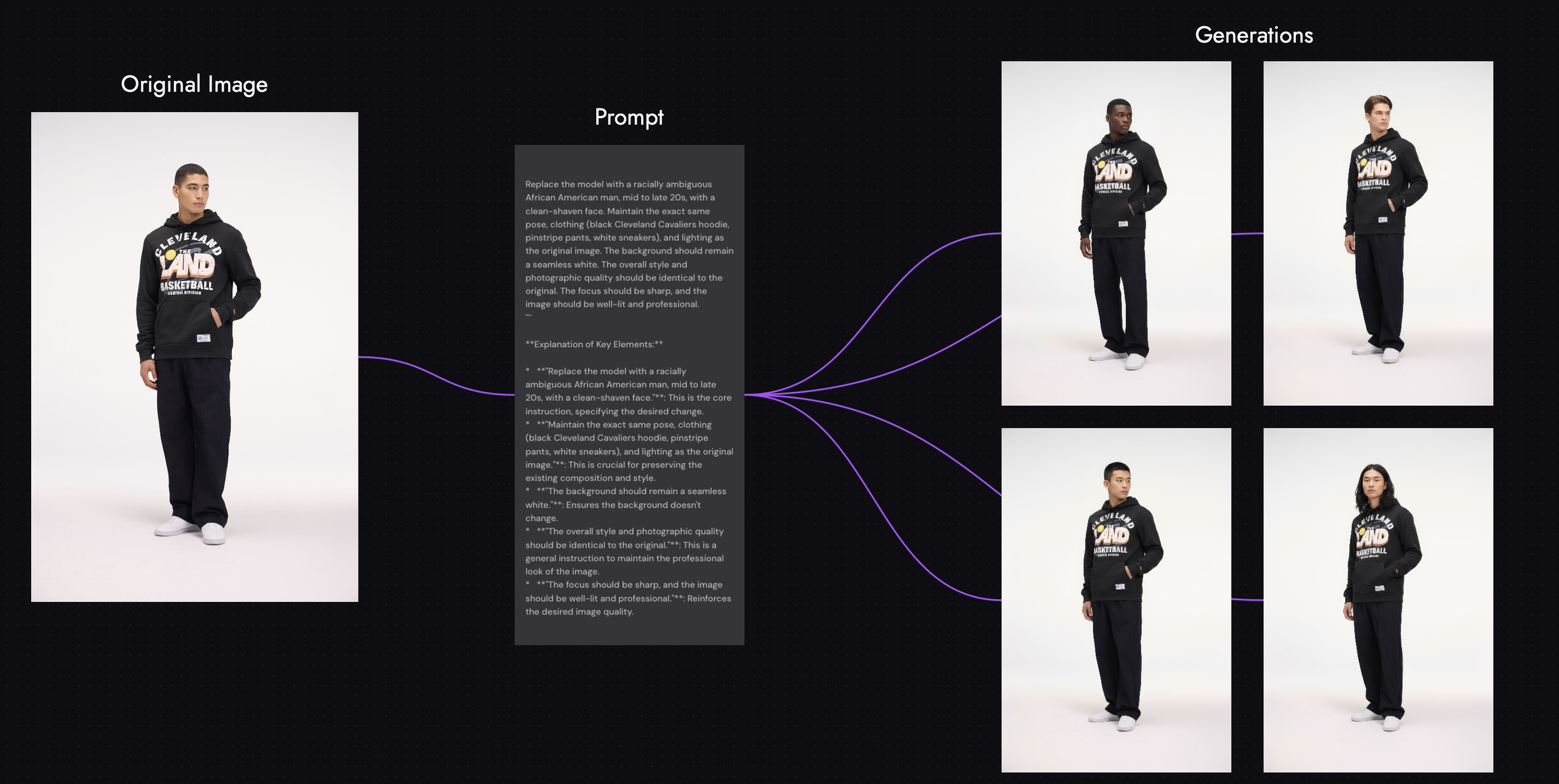
With AI becoming more sophisticated, the use of AI will be more prevalent in all areas of photo production. From AI-assisted workflows to AI automation in retouching to AI generated imagery, expect to see this more frequently in 2026 and beyond. Use of AI can help increase efficiency in automating repeatable tasks as well as creating content for localized markets or adding more content, like video or lifestyle.
Immersive Product Visualization
Customers are always looking to replicate the “touch and feel” aspect of the physical shopping experience. Product videos that demonstrate product use or fit and 360° spin photography help consumers see products from any angle and build a stronger connection and confidence with them.
It’s clear that customers want to see more diverse content on the product page alongside standard product images. Buyers have a lot of options these days and gaining their trust takes thoughtful consideration. Before jumping into every trend, think about your product, brand identity and how you can provide a well-rounded view that will hit all the marks to instill confidence in your customer.
Creating High-Quality Product Photos that Sell
In today's current ecommerce landscape, high-quality product imagery is necessary for any successful ecommerce brand. With the emergence of new trends, technologies, and customer values in 2026, brands that invest in professional photography that is compelling and on-brand will stand out in a crowded market. Having a creative and intentional strategy when it comes to commercial photography will showcase your product, strengthen your brand's story, and instill confidence in customers' purchase decisions.

Ready to elevate your ecommerce product photography? Learn more from our blogs or explore our services and get in touch with us to discover how we can help you bring your brand to life through high-quality visuals.
About Karli Foster
With over 15 years of experience in professional photography studio management, Karli has extensive knowledge in directing and building ecommerce studios throughout the U.S. and streamlining the production process. She believes exceptional teams are the key to content that drives results.